
Karelian Bear Dog Dog Breed Information
Also known as: KBD, Karjalankarhukoira, Karelsk Bjornhund
A medium-sized Finnish hunting spitz bred to track and hold large game including bear and elk. In NZ, the breed is associated with conservation work where trained KBDs are used by DOC to detect and deter predators threatening kiwi and seabird colonies.

A highly affectionate, high energy dog. On the practical side: low grooming demands and minimal drool. The trade-off is sheds plenty.
About the Karelian Bear Dog.
The Karelian Bear Dog is a Finnish hunting spitz bred over centuries to track and hold bear, elk and lynx in the boreal forests of eastern Finland and Karelia. In New Zealand the breed is best known not as a pet but through its conservation work: trained KBDs and other working dogs are used by the Department of Conservation and conservation contractors for predator detection and kiwi-aversion training in remote bush and coastal sites where pest control and native-bird protection overlap. Pet placements are very rare, almost always to experienced rural owners, and the breed sits well outside the mainstream of NZ household dogs.
Adults stand 49 to 60 cm at the shoulder and weigh 17 to 28 kg, with males larger than females. The coat is medium-length, double, weather-resistant, and only ever in the breed standard pattern: black with clear white markings on the chest, head, neck, abdomen, legs and tail tip. Lifespan sits at 11 to 13 years.
Personality and behaviour
KBDs are independent, intelligent and selectively responsive. The breed was developed to work at distance from the hunter, locate game, bay (bark to mark) the quarry, and hold position without direct handler supervision. That working profile shapes every aspect of pet life with the breed: the dog reads situations and decides for itself, recall is unreliable in adult dogs with scent in the air, and lead-only walks in any area with wildlife or stock are the standard for NZ KBD owners.
With the household the breed is bonded and affectionate, often choosing one or two handlers as primary. With strangers the default is reserved and watchful; the protective instinct is strong and well-documented. With other dogs the breed is variable and frequently same-sex aggressive in adults; multi-dog households work best with mixed-sex pairs introduced young and are not recommended for novice handlers.
Around small animals the breed is unsafe by design. The KBD was bred to hunt and the prey drive runs high. NZ lifestyle blocks with chickens, ducks, sheep, goats or pet rabbits are not appropriate placements without exceptional management; cats raised with the dog from puppyhood sometimes coexist, and unfamiliar cats are at serious risk.
The bark is the working tool of the breed and the most-cited surprise to new owners. KBDs bay loudly and persistently at perceived prey, intruders and unfamiliar movement near the property. Suburban placements run into noise complaints fast. Rural settings handle the bark better and benefit from the alert function.
Care and exercise
Plan on at least 90 minutes of structured exercise a day for an adult: long lead walks, off-lead time in a securely fenced paddock, scent and tracking work, and physical engagement on a lifestyle-block or farm property. The breed needs both physical exertion and mental challenge. Inactive KBDs become destructive, vocal and territorial; underchallenged adolescents are particularly hard work.
Grooming is moderate. The dense double coat sheds year-round and dramatically twice a year. Weekly brushing with a slicker and undercoat rake handles normal shedding; daily brushing for two to three weeks during the spring and autumn blow is the seasonal reality. The coat is largely self-cleaning and resists matting; bathing is only needed when the dog is actually dirty, since the natural coat oils repel water and mud effectively. Drool is minimal.
The dietary priority is consistent feeding around active lifestyles. Adult portions split into two meals reduce gastric torsion risk and match the breed’s working-dog energy profile. Active KBDs maintain weight well on quality food; inactive dogs gain weight quickly, which the dense build hides until hip stress shows up.
Climate fit across NZ favours cooler regions and rural conditions. The breed handles Otago, Southland, Canterbury and Wellington winters comfortably, and copes with bush and coastal weather across the North Island. Auckland and Northland summers above 26 degrees with humidity require shade, water and timed activity; the dense coat insulates against heat as well as cold but the breed is not built for sustained warm-weather work.
Containment matters more for this breed than for most. KBDs are intelligent, motivated escape artists with strong territorial drives and high prey response. Six-foot dog-rated fencing on every boundary is the baseline, with secure gates and double-gate driveways where contractors visit. A KBD loose in a rural neighbourhood with sheep, poultry or wildlife is a working dog doing what it was bred to do.
Where to find a Karelian Bear Dog in New Zealand
Three paths, in order of typical preference for pet placements.
- Registered NZKC breeders. The Dogs NZ breeders directory lists the small group of NZKC-registered KBD breeders. Litters are uncommon and most go to repeat owners or experienced rural homes. Expect long waitlists, NZ$2,500 to NZ$4,500 per puppy, and a careful breeder interview about your property, work hours, prior working-breed experience and other animals on the property.
- Imports from Finnish or Australian working lines. Some NZ owners import KBDs through co-ordinated overseas networks. Total cost (purchase, MPI requirements, transport, quarantine) runs NZ$5,000 to NZ$9,000.
- Conservation working-dog programmes. Working KBDs in DOC and contractor programmes are bred and trained for the role; surplus or retired working dogs occasionally rehome to suitable handlers. These are not pet placements in the conventional sense.
KBD rescue is essentially absent in NZ. The occasional surrender comes through breed contacts after a containment failure or a mismatch with stock. SPCA placements are very rare and any “KBD cross” listing benefits from honest temperament assessment.
Avoid Trade Me listings claiming KBD heritage without NZKC registration, and any breeder who cannot provide hip and eye certification on both parents and a clear DNA result for pituitary dwarfism. The breed’s small global gene pool makes health screening especially worthwhile.
The Karelian Bear Dog, by the numbers.
Each trait scored 1 to 5 on the AKC scale. The verdict synthesises the data; the panels below show the strengths, group averages, and the full trait table.
Top strengths
Family Life
avg 3.0Affectionate with Family
Good with Young Children
Good with Other Dogs
Physical
avg 2.3Shedding
Grooming Frequency
Drooling
Social
avg 3.0Openness to Strangers
Playfulness
Watchdog / Protective
Adaptability
Personality
avg 4.3Trainability
Energy Level
Barking Level
Mental Stimulation Needs
Living with a Karelian Bear Dog.
A 24-hour breakdown of how this breed's day typically goes, scaled to its energy, mental-stimulation, and grooming needs.
What a Karelian Bear Dog costs to own.
An indicative NZ lifetime cost: purchase, setup, then food, vet, insurance, grooming and other annual outgoings. Adjust the inputs to see how your choices change the total.
A Karelian Bear Dog costs about
$263per month
$61
$9
$42,620
Adjust the inputs:
Where the monthly cost goes
Food
$98 / mo
$1,175/yr · breed-appropriate dry & wet food
Insurance
$75 / mo
$905/yr · lifetime cover protects against breed-specific claims
Vet (avg)
$44 / mo
$530/yr · routine checks plus breed-specific risk
Grooming
$8 / mo
$100/yr · brushes, shampoo, professional clips
Other
$38 / mo
$450/yr · toys, treats, dental, boarding
Indicative NZ averages calculated from breed weight, grooming need and screened-condition count. One-off costs (purchase $4,250 + setup $450) are factored into the lifetime total but not the monthly figure.
How does the Karelian Bear Dog compare?
This breed
Karelian Bear Dog
$42,620
12-year lifetime cost
- Purchase + setup$4,700
- Food (lifetime)$14,100
- Vet (lifetime)$6,360
- Insurance (lifetime)$10,860
- Grooming (lifetime)$1,200
- Other (lifetime)$5,400
Reference
Average NZ medium dog
$38,920
12-year lifetime cost
- Purchase + setup$2,200
- Food (lifetime)$13,200
- Vet (lifetime)$6,000
- Insurance (lifetime)$11,400
- Grooming (lifetime)$2,400
- Other (lifetime)$3,720
A Karelian Bear Dog costs about $3,700 more over a lifetime than the average nz medium dog, mostly higherpurchase + setup and higherother.
What to ask the breeder.
Reputable NZKC breeders test for these conditions and share results without being prompted. If a breeder won't share screening results, that is itself an answer.
Occasional
2 conditionsHip dysplasia
Less common than in many medium working breeds, but reputable breeders still screen. Ask for hip scores on both parents.
Eye conditions (PRA, cataracts)
Reputable breeders screen routinely. Ask for current eye certificates.
Rare but urgent
1 conditionPituitary dwarfism
A documented genetic condition in the breed; DNA testing is available and used by responsible breeders.
The Karelian Bear Dog in NZ.
- Popularity: A very rare breed in NZ. Most KBDs are working dogs in conservation or hunting roles rather than pets. Pet placements are uncommon and almost always go to experienced rural owners.
- Typical price: NZ$2500–6000 from registered breeders
- Rescue availability: rare
- NZ climate fit: Built for the Finnish boreal forest. The dense double coat handles snow, frost and wet bush conditions with ease. Heat above 26 degrees is the harder fit; the breed copes with NZ summers in cooler regions but struggles in upper North Island humidity without shade and timed activity.
- Living space: Suits a rural property, lifestyle block or farm with secure six-foot fencing on every boundary. The breed is not appropriate for suburban backyards, apartments or any property where escape risk meets stock, poultry or other small animals.
Who the Karelian Bear Dog is for.
Suits
- Experienced owners with rural property and high containment standards
- Hunting, conservation and tracking-work households
- Owners ready to commit to daily structured exercise and lead-only walks
Less suited to
- First-time dog owners
- Apartments and suburban townhouses
- Households with cats, poultry or small mammal pets
- Multi-dog homes with same-sex adults
Common questions.
What does the Department of Conservation use Karelian Bear Dogs for?
Can a Karelian Bear Dog live with cats or chickens in NZ?
How much does a Karelian Bear Dog cost in New Zealand?
Is the Karelian Bear Dog a good family pet?
If the Karelian Bear Dog appeals, also consider.
Breeds with a similar profile that might suit your household.
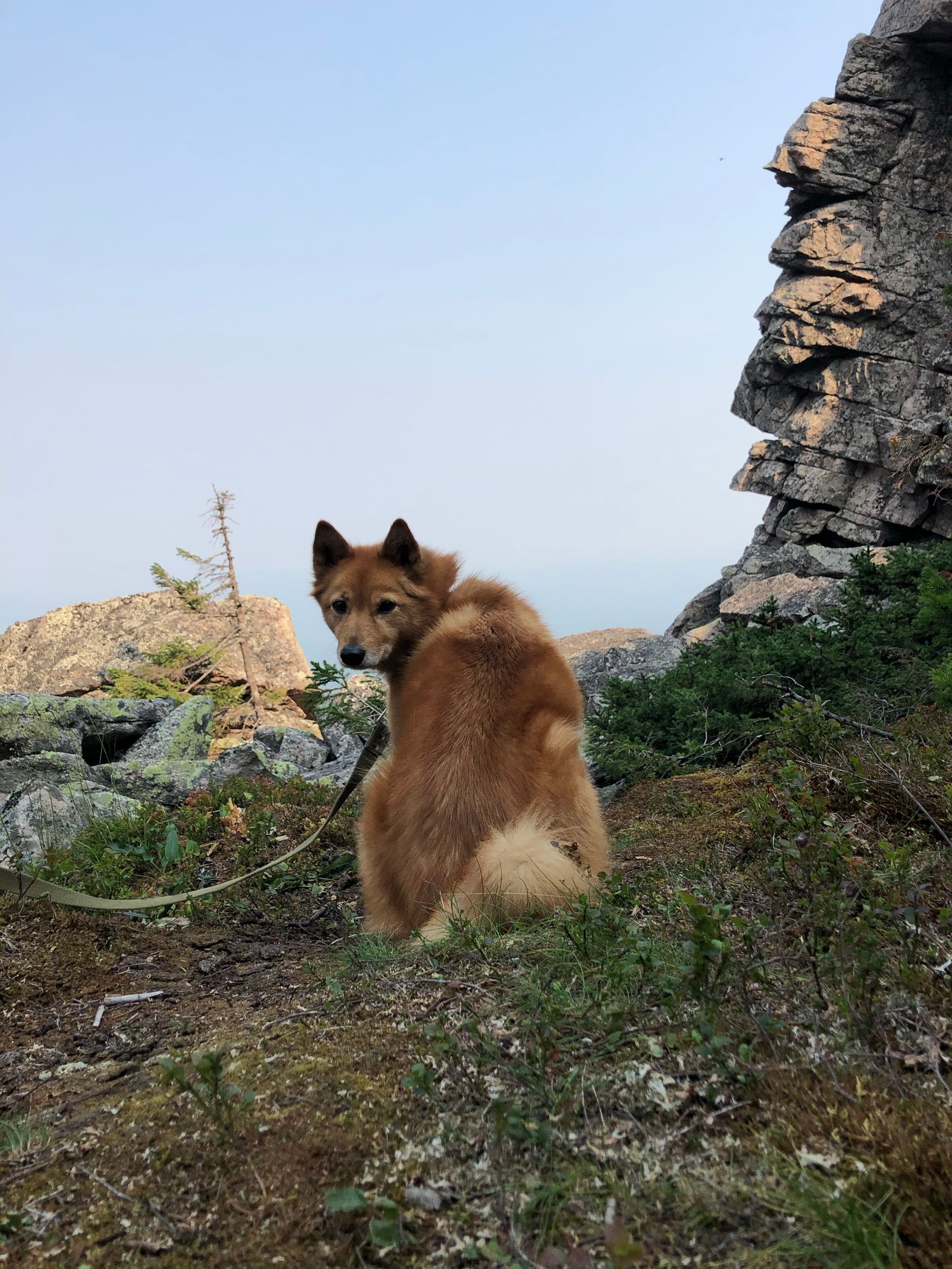
Finnish Spitz
Finland's national dog and the original "barking bird-dog", a fox-red spitz that hunts by voice and can fire off around 160 barks a minute on point. Quiet households need not apply.
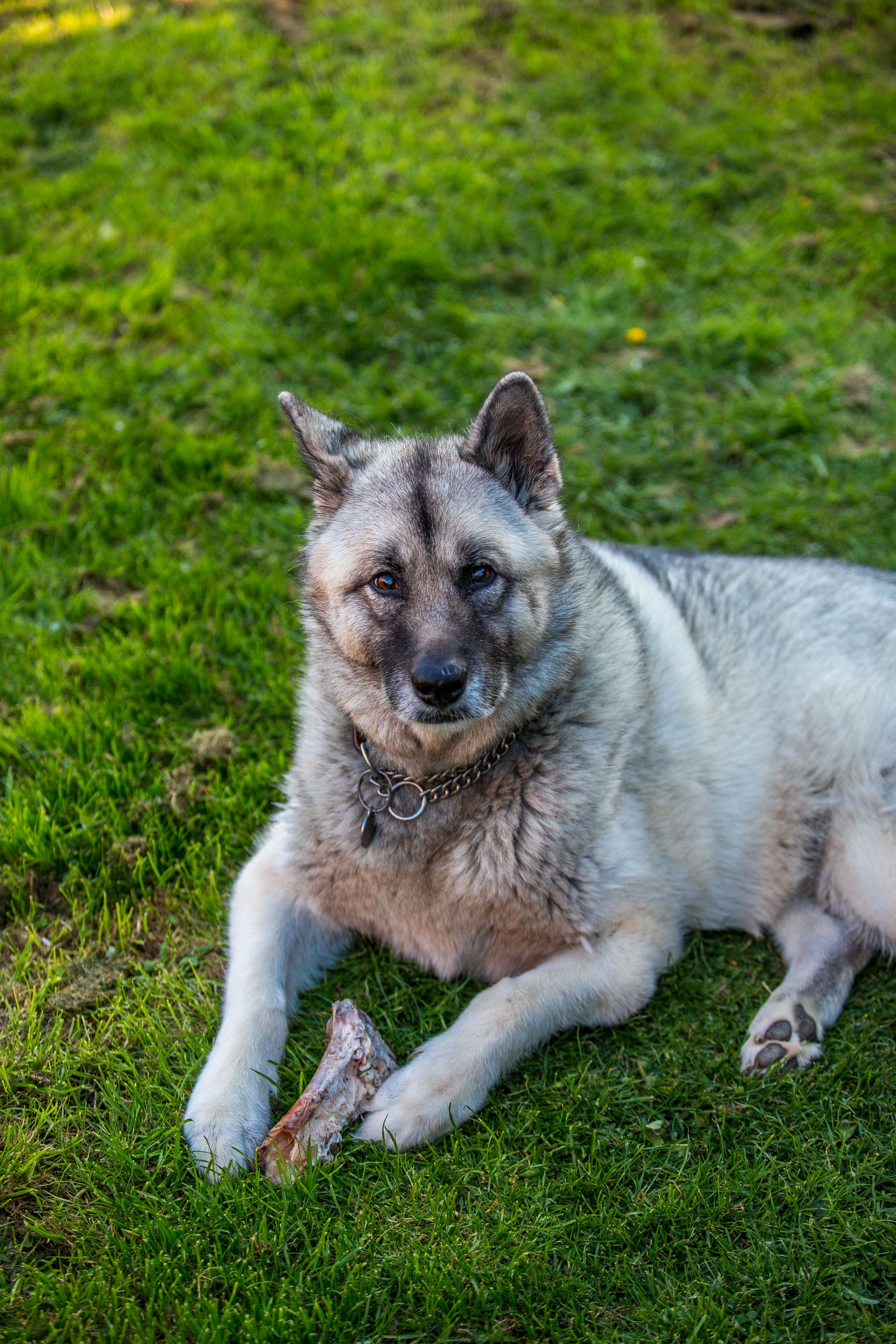
Norwegian Elkhound
A Nordic hunting spitz built for moose tracking in deep snow. Bold, vocal, heavy-shedding, and thoroughly at home in the cold of Otago, Southland and the Central Plateau.

Akita
A large Japanese guarding spitz with a curled tail, a thick double coat and a famously dignified, one-family temperament. Quiet at home, intolerant of other dogs of the same sex, and a bigger commitment than most NZ owners realise.

Siberian Husky
Athletic Arctic sled dog with a thick double coat and a working brain. Friendly, vocal, escape-prone, and built for endurance rather than household lounging.
Last reviewed:
Sources for this pageInformation only. Breed traits and health notes on this page are aggregated from public registry and breed-authority sources. Individual animals vary; this page is general information, not veterinary, behavioural, or insurance advice. Always consult a registered NZ vet or breeder for guidance specific to your situation.