
Dandie Dinmont Terrier Dog Breed Information
Also known as: Dandie, Hindlee Terrier (historic)
The unusual long-bodied terrier with a silky topknot, named after a Walter Scott character. Pepper or Mustard colour, 8 to 11 kg, listed as a vulnerable native breed in the UK and very rare in NZ. The most distinctive silhouette in the terrier group.
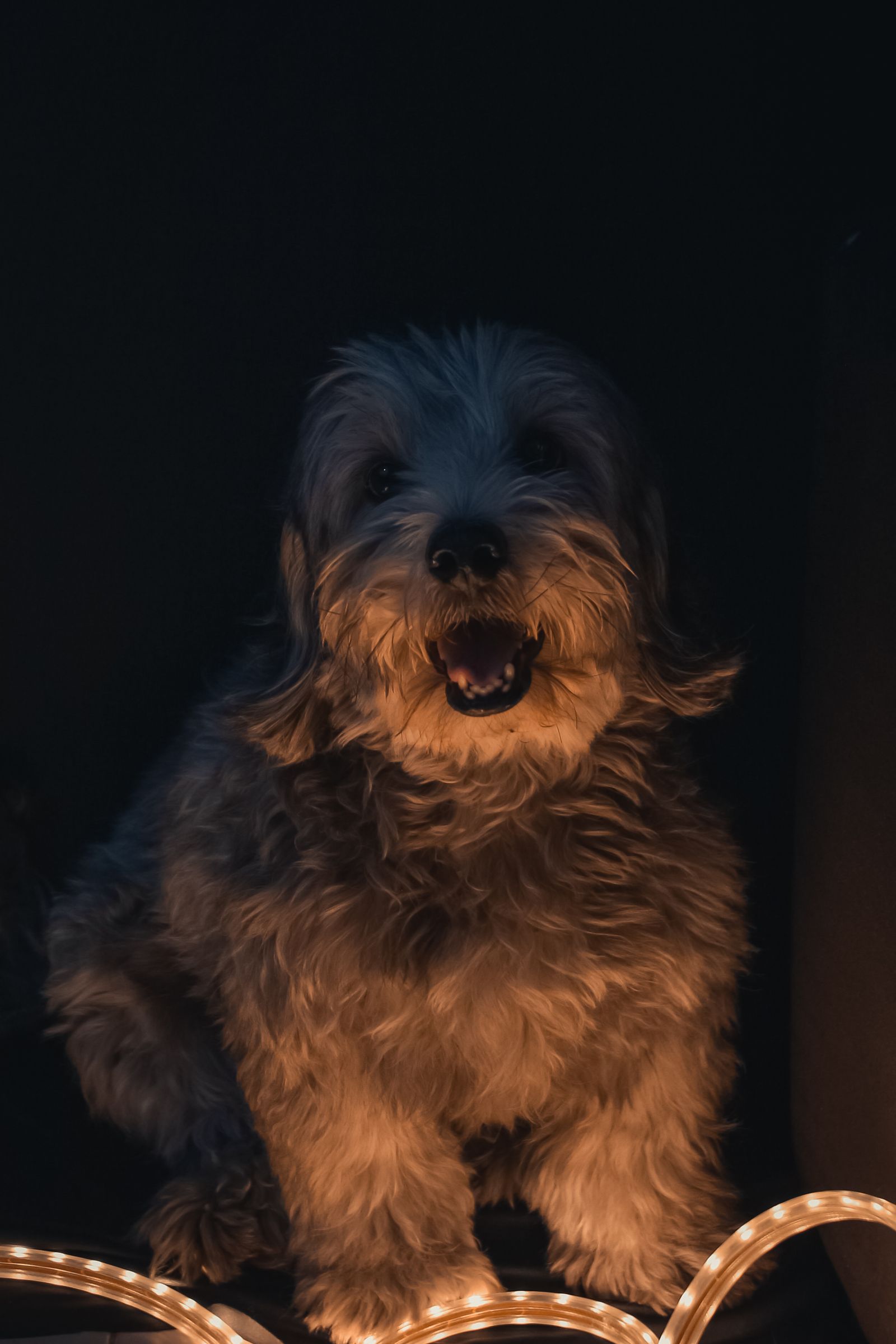
A highly affectionate, great with young children dog. On the practical side: minimal drool and low shedding.
About the Dandie Dinmont Terrier.
The Dandie Dinmont Terrier is the most distinctive silhouette in the terrier group: a long-bodied, short-legged dog with a silky topknot of long hair on the crown of the head, set against a shorter wiry body coat in Pepper (silver to dark blue-grey) or Mustard (pale fawn to red-brown). It is also the only dog breed named after a fictional character; Sir Walter Scott featured the breed in his 1815 novel Guy Mannering, the character Dandie Dinmont owned a pack of them, and breeders adopted the name. The Dandie is listed as a vulnerable native breed in the UK with fewer than 300 puppies registered annually, and NZ numbers track those of the UK closely.
Adults stand 20 to 28 cm at the shoulder and weigh 8 to 11 kg, with the body roughly twice as long as it is tall. Lifespan is 11 to 13 years. The breed is rare globally rather than just locally, and most NZ owners have never met another Dandie in person.
The signal that defines daily life with a Dandie is calm. The breed is the steadiest, quietest and least manic of the working terrier group, closer in temperament to a small Scottish Deerhound than to a Cairn or a Border. Owners describe a dog who watches the world from the windowsill with mild interest rather than alert-barking through the day. The trade-off is the long back and the breed-specific health profile that goes with it.
Personality and behaviour
Dandies are confident, dignified and notably calmer than most terriers. They are affectionate with their household, polite with strangers given proper introduction, and watchful enough to alert without becoming reactive. The breed makes a sharp little watchdog with a deep bark for a small dog (often described as the loudest big-dog voice in a small-dog body in the terrier group), but they alert sparingly rather than constantly.
The breed is generally good with school-age children who respect a small dog’s space, less ideal with toddlers because of the long-backed body type and the breed’s tendency to defend itself if cornered. With other dogs they are friendly but not pushovers; same-sex dog-dog conflict can show up in adolescence. Cats raised with the puppy usually work; outdoor cats trigger the prey drive.
Prey drive is real. The breed was developed for otter and badger work and the wiring still works on rabbits, possums and small wildlife. Lifestyle block owners find the breed useful for casual vermin control; recall in unfenced areas should not be relied on.
What surprises new owners is the steadiness. The Dandie is more thoughtful and slower-moving than most terriers, and households expecting a manic small dog often discover a calm dignified companion who fits suburban life better than they predicted. The other surprise is the deep bark; visitors expecting a yappy small-dog voice get something closer to a Beagle’s bay.
Care and exercise
Plan on around 45 minutes of structured exercise a day, split between a walk and some kind of mental work. The breed is active enough to enjoy a long walk, hike or fenced off-lead session but does not need it the way a Welsh or a Border does. Mental work counts; scent games, food puzzles and short trick training tire a Dandie out as effectively as another 20 minutes of pavement walking.
The long back is the lifetime watchpoint. Dandies are at elevated risk for intervertebral disc disease, the same spinal condition that affects Dachshunds. Practical management:
- Avoid jumping off couches, beds and stairs. Ramps or pet steps are sensible kit. Many Dandie owners run a single-storey home or block stairs entirely.
- Lift the dog with both hands supporting the back. One-handed scoop-ups put pressure on the spine.
- Keep the dog lean. Weight gain shows as back pain in this breed before it shows as visible fat.
Grooming is breed-specific. The double coat has a soft undercoat and a harder topcoat that lies in a mix of textures across the body. The breed-correct approach is hand-stripping every three to four months, but NZ groomers experienced with Dandies are very rare; most pet owners trim or clip instead, which softens the coat permanently. The silky topknot on the head should be left long and lightly trimmed; it is the breed signature and what most owners groom carefully even when the rest of the body is clipped down.
Brush twice weekly. Trim around eyes, ears, beard and feet monthly. Bathe every six to eight weeks.
Dental care is a lifetime job. Small jaws crowd teeth, plaque builds, and by age four to five many Dandies need a full scale-and-polish under general anaesthetic (NZ$400 to NZ$900). Daily tooth brushing from puppyhood pushes that out by years.
Glaucoma and hypothyroidism are the breed-specific medical watch-points. Annual eye certificates from a registered veterinary ophthalmologist and annual thyroid blood work from age four are standard breed-club practice.
Cold tolerance is good. The double coat handles Wellington wind and Otago winters easily. Heat is the limiting factor; a summer trim thins the coat for upper North Island summers, and midday walks should be avoided December through February.
Where to find a Dandie Dinmont in New Zealand
The breed is one of the rarest registered dogs in NZ.
- Registered NZKC breeders. The Dogs NZ breed directory lists active Dandie breeders, but numbers are very low; perhaps one or two breeders nationwide produce litters in any given year, and many years see no NZ litters at all. Expect a 12 to 36 month waitlist and NZ$2,500 to NZ$4,500 per puppy. Reputable breeders provide eye certificates, thyroid screening and any spinal history in the line.
- Australian and UK imports. The most common path for serious NZ buyers given limited local supply. Total cost (puppy plus quarantine plus flights) typically NZ$5,500 to NZ$8,500 from Australia, more from the UK.
- SPCA NZ and rescue. Pure Dandies in NZ rescue are extremely rare. Adoption fees NZ$300 to NZ$700 if one appears.
Avoid Trade Me listings claiming to sell Dandies without registration; the breed is rare enough that most non-registered listings are misidentified Cairns, Skyes or other small terriers.
Insurance and lifetime cost
Dandie Dinmont insurance claims in NZ skew toward intervertebral disc disease, eye conditions, dental issues and senior endocrine disease (hypothyroidism, Cushing’s). The IVDD risk is the most distinctive part of the breed’s claim profile and the most expensive when it appears (spinal MRI, surgery and post-operative care can run NZ$8,000 to NZ$15,000).
Lifetime cover that includes hereditary conditions is meaningful for this breed; insure puppies the day you bring them home so the cover starts before any back-related episode can be classified as pre-existing.
For a typical NZ Dandie on a mid-range lifetime policy, lifetime cost (purchase plus 11 to 13 years of food, vet, insurance, registration, grooming and incidentals) sits around NZ$22,000 to NZ$36,000. Food and grooming are moderate; vet and dental costs run higher than most owners expect because of the IVDD risk and the dental load.
What surprises new owners
Three things come up repeatedly with NZ Dandie households.
The first is the calm. The breed reads on paper as a working terrier and behaves at home like a dignified small companion. Buyers who picked the breed expecting Cairn-level energy are often surprised to find a steadier dog.
The second is the back. The long-bodied silhouette is the breed signature and also the lifetime health concern. Households that treat the dog like a normal terrier (jumping off couches, running stairs, being scooped one-handed) often end up at the vet for a back episode by age five or six. Households that adapt early (ramps, no stairs, two-handed lifts) often avoid spinal trouble altogether.
The third is the rarity. Owning a Dandie in NZ means owning a breed almost no one else has met, and most NZ vets, groomers and dog walkers will not have seen one before. The breed-correct hand-stripping is hard to source locally, and many pet Dandies end up clipped by groomers who have never worked the coat. Imports from Australia or the UK are the realistic path for most serious buyers.
The Dandie Dinmont Terrier, by the numbers.
Each trait scored 1 to 5 on the AKC scale. The verdict synthesises the data; the panels below show the strengths, group averages, and the full trait table.
Top strengths
Family Life
avg 3.7Affectionate with Family
Good with Young Children
Good with Other Dogs
Physical
avg 2.0Shedding
Grooming Frequency
Drooling
Social
avg 3.5Openness to Strangers
Playfulness
Watchdog / Protective
Adaptability
Personality
avg 3.0Trainability
Energy Level
Barking Level
Mental Stimulation Needs
Living with a Dandie Dinmont Terrier.
A 24-hour breakdown of how this breed's day typically goes, scaled to its energy, mental-stimulation, and grooming needs.
What a Dandie Dinmont Terrier costs to own.
An indicative NZ lifetime cost: purchase, setup, then food, vet, insurance, grooming and other annual outgoings. Adjust the inputs to see how your choices change the total.
A Dandie Dinmont Terrier costs about
$241per month
$56
$8
$38,702
Adjust the inputs:
Where the monthly cost goes
Food
$65 / mo
$785/yr · breed-appropriate dry & wet food
Insurance
$56 / mo
$671/yr · lifetime cover protects against breed-specific claims
Vet (avg)
$59 / mo
$710/yr · routine checks plus breed-specific risk
Grooming
$23 / mo
$280/yr · brushes, shampoo, professional clips
Other
$38 / mo
$450/yr · toys, treats, dental, boarding
Indicative NZ averages calculated from breed weight, grooming need and screened-condition count. One-off costs (purchase $3,500 + setup $450) are factored into the lifetime total but not the monthly figure.
How does the Dandie Dinmont Terrier compare?
This breed
Dandie Dinmont Terrier
$38,702
12-year lifetime cost
- Purchase + setup$3,950
- Food (lifetime)$9,420
- Vet (lifetime)$8,520
- Insurance (lifetime)$8,052
- Grooming (lifetime)$3,360
- Other (lifetime)$5,400
Reference
Average NZ medium dog
$38,920
12-year lifetime cost
- Purchase + setup$2,200
- Food (lifetime)$13,200
- Vet (lifetime)$6,000
- Insurance (lifetime)$11,400
- Grooming (lifetime)$2,400
- Other (lifetime)$3,720
A Dandie Dinmont Terrier costs about the same as the average nz medium dog over a lifetime in NZ.
What to ask the breeder.
Reputable NZKC breeders test for these conditions and share results without being prompted. If a breeder won't share screening results, that is itself an answer.
Common
3 conditionsIntervertebral disc disease (IVDD)
Long-backed breed with elevated spinal disc risk, similar to Dachshunds. Avoid jumping off couches and stairs; ramps are sensible.
Hypothyroidism
Annual blood test from age four catches it early; lifetime medication is cheap and effective.
Dental disease
Small jaws, crowded teeth. Daily brushing and an annual scale and polish from age three.
Occasional
3 conditionsGlaucoma
Documented at higher than average rates in the breed. Annual eye certificates from a registered ophthalmologist are standard breed-club practice.
Cushing's disease
Higher than average rate documented in the breed.
Allergic skin disease
An occasional condition in the Dandie Dinmont Terrier. Worth asking about and DNA testing where available.
The Dandie Dinmont Terrier in NZ.
- Popularity: Very rare in NZ. NZKC registrations sit in the low single digits annually, with most NZ Dandies imported from Australia or the UK. The breed has a small enthusiast following; most NZ pet owners have never met one in person.
- Typical price: NZ$2500–4500 from registered breeders
- Rescue availability: rare
- NZ climate fit: The double coat handles the full NZ climate range. Wellington wind, Otago winters and West Coast rain pose no issue. Upper North Island summer heat is the watch-point; the breed is dark-coated (pepper) or warm-coated (mustard) and a summer trim thins the coat for January and February.
- Living space: Apartments suit the breed for size, energy level and shedding. The bark level is moderate. The long back means stairs and jumping on and off couches need management; ramps and a single-storey home are easier on the spine over the dog's lifetime.
Who the Dandie Dinmont Terrier is for.
Suits
- Households wanting a quiet, watchful small terrier
- Owners willing to learn the breed-specific grooming
- Suburban and apartment owners who can commit to two daily walks
- Households without small caged pets
Less suited to
- Households with rabbits, guinea pigs, hamsters or aviary birds
- Owners wanting a low-grooming smooth-coated breed
- Households where furniture access is restricted (the long back means jumping up and down off couches and beds is a daily activity worth managing)
- Quiet shared-wall apartments where alarm-barking is a problem
Common questions.
What does a Dandie Dinmont look like?
Are Dandie Dinmonts good family pets?
How much does a Dandie Dinmont cost in New Zealand?
Why are Dandie Dinmonts so rare?
If the Dandie Dinmont Terrier appeals, also consider.
Breeds with a similar profile that might suit your household.
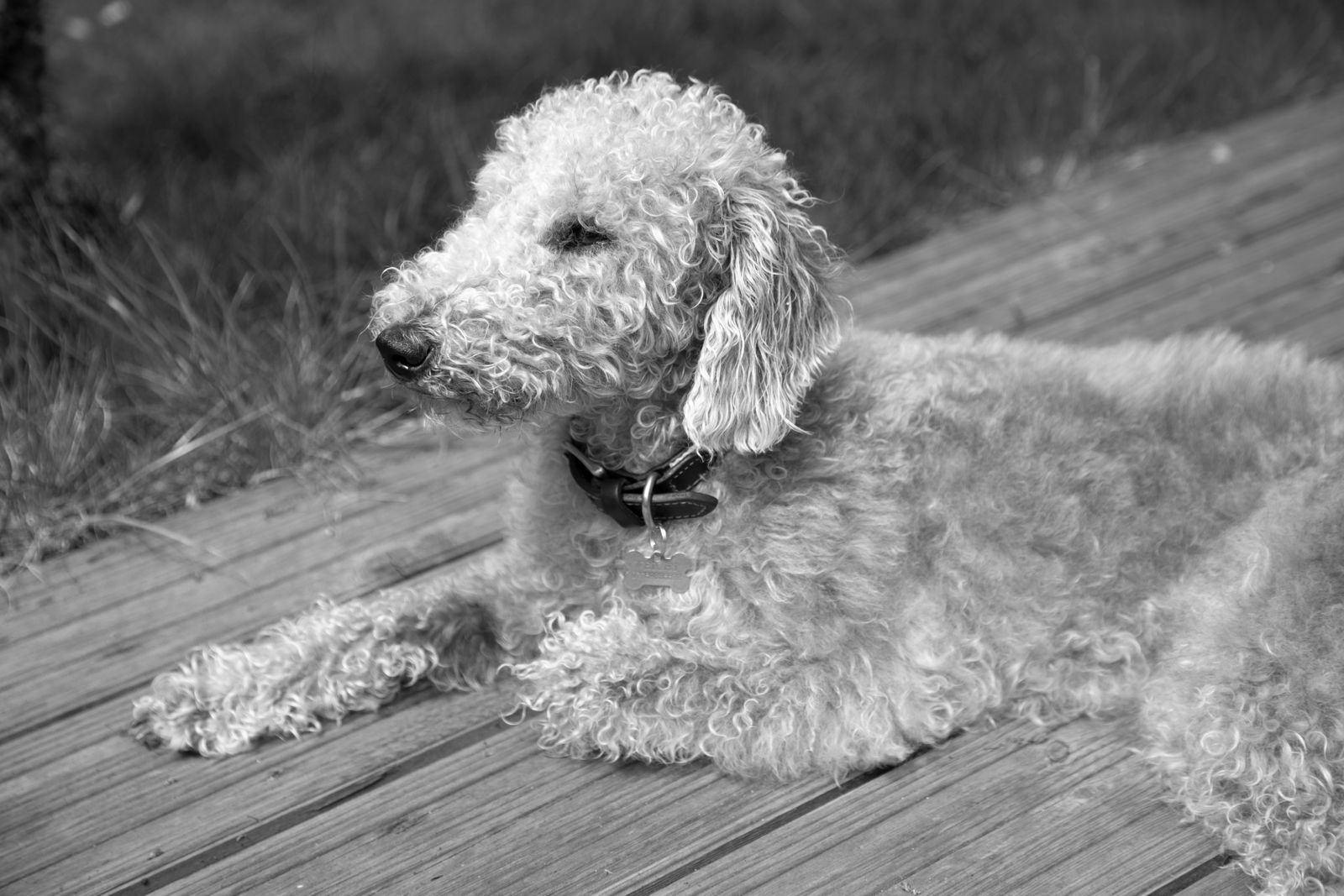
Bedlington Terrier
The terrier that looks like a lamb but runs like a whippet. Bred in 19th century Northumberland for ratting and poaching, the Bedlington is a curly-coated, low-shedding small terrier with one specific health risk every NZ buyer needs to test for before paying.

Skye Terrier
The long-bodied, long-coated Scottish terrier, twice as long as it is tall, with a temperament best described as one-person devotion. Listed as a vulnerable native breed by the UK Kennel Club and very rare in New Zealand.

Scottish Terrier
The black silhouette terrier of Monopoly board fame. Short-legged, dignified, fiercely loyal to one person, and one of the most independent small dogs the NZKC registers.

Cairn Terrier
The hardy little Scottish working terrier behind Toto in The Wizard of Oz, and the original breed from which the West Highland White was developed. Compact, weatherproof, low-shedding, and one of the more sensible small terriers for first-time NZ owners.
Last reviewed:
Sources for this pageInformation only. Breed traits and health notes on this page are aggregated from public registry and breed-authority sources. Individual animals vary; this page is general information, not veterinary, behavioural, or insurance advice. Always consult a registered NZ vet or breeder for guidance specific to your situation.