
Skye Terrier Dog Breed Information
Also known as: Skye
The long-bodied, long-coated Scottish terrier, twice as long as it is tall, with a temperament best described as one-person devotion. Listed as a vulnerable native breed by the UK Kennel Club and very rare in New Zealand.
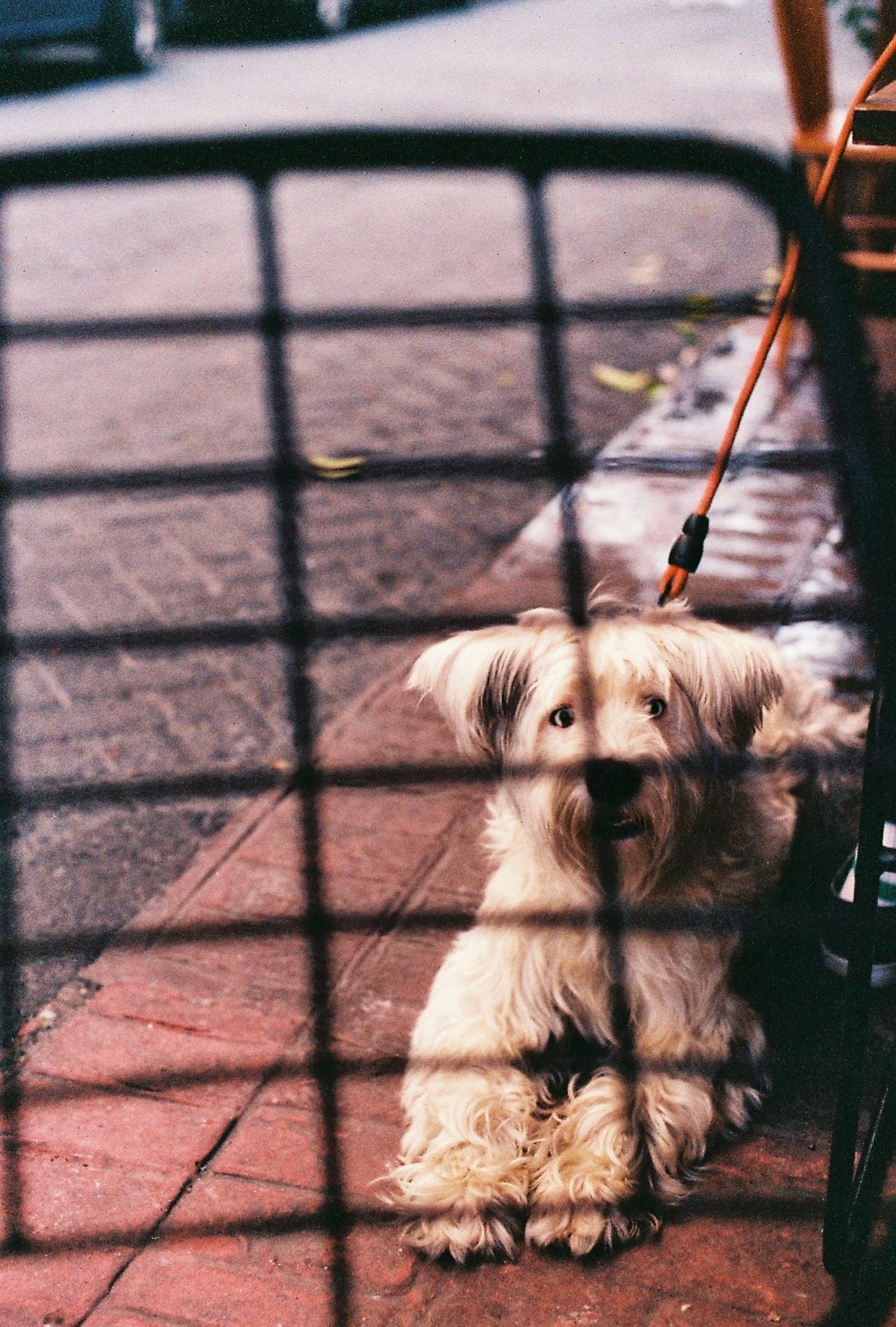
A highly affectionate dog. On the practical side: minimal drool. The trade-off is high grooming needs.
About the Skye Terrier.
The Skye Terrier is the long-bodied, long-coated Scottish terrier with the most famous loyalty story in dog history. The Greyfriars Bobby legend (an Edinburgh Skye said to have sat by his owner’s grave for 14 years from 1858 to 1872) gave the breed the long-running nickname “the heartbroken dog” and a Victorian peak in popularity it has not seen since. Modern numbers are very small. The UK Kennel Club lists the breed on its Vulnerable Native Breeds register, and active NZKC breeders are in single digits at any given time.
Adults stand 23 to 26 cm at the shoulder and weigh 11 to 18 kg, twice as long as they are tall. The double coat is long and parts down the back, in colours from black through blue, grey, silver, fawn and cream, all with the breed-typical black points (ears, muzzle, tip of tail). Two ear types are accepted under the standard, prick (held upright) and drop (folded down close to the head). Both are correct.
Personality and behaviour
Skyes are devoted, dignified, often described as cat-like in their independence, and famously bonded to one person. The breed defaults to reserved-to-suspicious behaviour with strangers, alert at the door, and selectively vocal. Most adult Skyes pick one human in the household and treat the rest of the family as acceptable but secondary, in a pattern that makes the breed an excellent fit for single-owner homes and a less reliable fit for busy family households expecting a dog who treats every person identically.
The trait that surprises new owners is the depth of the bond. The Greyfriars Bobby story was credible to Victorian audiences because the breed does bond unusually hard. A Skye who has chosen one person will follow that person room to room, lie at their feet during the day, and grieve visibly if separated for long periods. This is hard-wired temperament, not a training failure.
The other surprise is the stranger reserve. The breed will not greet a visitor like a Labrador. Most adult Skyes accept introductions politely, then settle some distance from the new person, and warm up over weeks rather than minutes. This is breed-typical, not a problem to fix.
Prey drive is real. The breed was developed to dispatch fox, badger and otter on rocky Scottish ground, and the drive to chase rabbits, possums and cats remains. Households with rabbits, guinea pigs or aviary birds need a careful introduction protocol or a separation routine. Cats they live with from puppyhood are usually fine; visiting cats are not.
The breed is generally tolerant of children who respect the dog and intolerant of children who pull tails, sit on it or chase it. This is the standard small-terrier pattern; the long coat and short legs make the Skye a particularly attractive target for unsupervised toddlers, with predictable results.
Care and exercise
Plan on 45 minutes of real exercise a day, split into two walks. The breed is not a jogger, not an off-lead recall champion, and not a fetch dog. A 25 minute morning walk and a 20 minute evening walk with sniffing time satisfies most Skyes. Avoid stairs and high jumps in puppyhood; the long body and short legs create back-strain risk similar to Dachshunds, and intervertebral disc disease is a documented breed concern.
The grooming workload is the biggest underestimated cost in the breed. The long double coat needs brushing three to four times a week with a pin brush to prevent matting in the legs, belly, ears and tail. NZ Skye owners showing the dog keep the coat to ground length and bath every 4 to 6 weeks; pet owners typically keep the coat at half-length and groom professionally every 6 to 8 weeks at NZ$80 to NZ$140 per session. A summer body trim is sensible for NZ pet Skyes given upper North Island heat.
The Skye limp (premature closure of the distal radius growth plate) is a documented breed condition affecting puppies 3 to 8 months old. Over-exercising a Skye puppy on stairs, long walks or repetitive jumping raises risk. NZ breeders typically advise short, structured puppy walks until 12 months and no formal exercise on stairs.
Skye Terrier hepatitis, a copper-associated liver disease documented in the breed, is the other lifetime watchpoint. Reputable breeders monitor breeding stock with annual liver enzyme panels. Symptoms in affected dogs usually appear from middle age (6 to 9 years) and need veterinary management.
Where to find a Skye Terrier in New Zealand
The Skye is one of the rarest registered breeds in NZ. Active NZKC breeders number in single digits, litter sizes are small (3 to 5 puppies), and waitlists run long.
- Registered NZKC breeders. The Dogs NZ breeders directory lists active Skye Terrier breeders, often only one or two nationally. Expect an 18 to 30 month waitlist and NZ$2,800 to NZ$4,500 per puppy. A reputable breeder will screen for liver function, supply NZKC pedigree papers, and often interview prospective homes carefully given the breed’s vulnerable-native status.
- Australian or overseas import. Many NZ Skye owners import from Australian breeders, with occasional UK or US imports. Expect total cost (puppy, MPI import process, transit) to land between NZ$6,000 and NZ$8,500 from Australia, higher from the UK or US.
- Rescue. Skye-specific rescue is essentially absent in NZ. The rare adult Skye surrendered to SPCA or a small-breed rescue is uncommon enough to be word-of-mouth only.
Avoid online listings without parent papers. The breed is rare enough that any “Skye Terrier” puppy advertised on Trade Me without NZKC pedigree is almost certainly a different long-coated small breed or a crossbreed.
Insurance and lifetime cost
Skye insurance claims in NZ skew toward dermatology, dental disease, the breed-specific liver condition in older age, and orthopaedic claims from the long-body short-leg build. Lifetime cover is meaningful for a 12 to 14 year breed with documented chronic conditions.
For a typical NZ Skye on a mid-range lifetime policy, lifetime cost (purchase plus 12 to 14 years of food, vet, grooming, insurance and other) lands around NZ$28,000 to NZ$40,000. Grooming is the single largest discretionary cost beyond food, since a Skye in even a pet trim needs professional grooming every 6 to 8 weeks for life. Liver disease management in older age can push lifetime cost higher; copper-restricted diet and ongoing monitoring run NZ$1,500 to NZ$3,000 a year for affected dogs.
The Skye Terrier, by the numbers.
Each trait scored 1 to 5 on the AKC scale. The verdict synthesises the data; the panels below show the strengths, group averages, and the full trait table.
Top strengths
Family Life
avg 3.0Affectionate with Family
Good with Young Children
Good with Other Dogs
Physical
avg 3.0Shedding
Grooming Frequency
Drooling
Social
avg 2.8Openness to Strangers
Playfulness
Watchdog / Protective
Adaptability
Personality
avg 3.0Trainability
Energy Level
Barking Level
Mental Stimulation Needs
Living with a Skye Terrier.
A 24-hour breakdown of how this breed's day typically goes, scaled to its energy, mental-stimulation, and grooming needs.
What a Skye Terrier costs to own.
An indicative NZ lifetime cost: purchase, setup, then food, vet, insurance, grooming and other annual outgoings. Adjust the inputs to see how your choices change the total.
A Skye Terrier costs about
$305per month
$70
$10
$51,628
Adjust the inputs:
Where the monthly cost goes
Food
$78 / mo
$935/yr · breed-appropriate dry & wet food
Insurance
$63 / mo
$761/yr · lifetime cover protects against breed-specific claims
Vet (avg)
$59 / mo
$710/yr · routine checks plus breed-specific risk
Grooming
$67 / mo
$800/yr · brushes, shampoo, professional clips
Other
$38 / mo
$450/yr · toys, treats, dental, boarding
Indicative NZ averages calculated from breed weight, grooming need and screened-condition count. One-off costs (purchase $3,650 + setup $450) are factored into the lifetime total but not the monthly figure.
How does the Skye Terrier compare?
This breed
Skye Terrier
$51,628
13-year lifetime cost
- Purchase + setup$4,100
- Food (lifetime)$12,155
- Vet (lifetime)$9,230
- Insurance (lifetime)$9,893
- Grooming (lifetime)$10,400
- Other (lifetime)$5,850
Reference
Average NZ medium dog
$38,920
12-year lifetime cost
- Purchase + setup$2,200
- Food (lifetime)$13,200
- Vet (lifetime)$6,000
- Insurance (lifetime)$11,400
- Grooming (lifetime)$2,400
- Other (lifetime)$3,720
A Skye Terrier costs about $12,708 more over a lifetime than the average nz medium dog, mostly highergrooming and highervet.
What to ask the breeder.
Reputable NZKC breeders test for these conditions and share results without being prompted. If a breeder won't share screening results, that is itself an answer.
Occasional
6 conditionsSkye Terrier hepatitis (copper-associated liver disease)
Documented breed-specific liver condition. Reputable breeders monitor with annual liver enzyme panels.
Premature closure of distal radius (Skye limp)
Affects puppies 3 to 8 months old; over-exercising puppies on stairs and long walks raises risk.
Intervertebral disc disease (IVDD)
The long body and short legs create back-strain risk, similar to Dachshunds. Avoid stairs and high jumps in puppyhood.
Mammary tumours in unspayed females
An occasional condition in the Skye Terrier. Worth asking about and DNA testing where available.
Hypothyroidism
An occasional condition in the Skye Terrier. Worth asking about and DNA testing where available.
Atopic dermatitis
An occasional condition in the Skye Terrier. Worth asking about and DNA testing where available.
The Skye Terrier in NZ.
- NZ popularity: ranked #210
- Popularity: One of the rarest registered terrier breeds in NZ. Active NZKC breeders are in single digits. Most NZ Skye owners are showing or breeding the dog rather than buying as a pet, though pet placements do happen.
- Typical price: NZ$2800–4500 from registered breeders
- Rescue availability: rare
- NZ climate fit: Built for cold, wet Scottish weather. The long double coat handles Wellington wind, Otago winters and West Coast rain easily. Upper North Island summer heat is the watchpoint; the long coat traps heat and the breed does not thermoregulate well above 26 degrees. A summer body trim is sensible for NZ pet Skyes outside the show ring.
- Living space: One of the better small breeds for apartment life given the low exercise need and quiet-natured temperament, though the grooming workload makes the breed a poor fit for low-time owners. Suits single-owner households especially well; the breed bonds harder to one person than most small terriers.
Who the Skye Terrier is for.
Suits
- Single-person households wanting a one-owner companion
- Retirees and adult-only homes
- Owners willing to commit to real grooming work
- Owners with no other small pets
Less suited to
- Households with young children who pull tails or grab dogs
- Multi-dog households, especially with same-sex dogs
- First-time owners expecting a sociable, easy small dog
- Households with rabbits, guinea pigs or aviary birds
Common questions.
Why is the Skye Terrier called the heartbroken dog?
Is the Skye Terrier rare in New Zealand?
Are Skye Terriers good with children?
How much does a Skye Terrier cost in New Zealand?
If the Skye Terrier appeals, also consider.
Breeds with a similar profile that might suit your household.

Scottish Terrier
The black silhouette terrier of Monopoly board fame. Short-legged, dignified, fiercely loyal to one person, and one of the most independent small dogs the NZKC registers.

Dandie Dinmont Terrier
The unusual long-bodied terrier with a silky topknot, named after a Walter Scott character. Pepper or Mustard colour, 8 to 11 kg, listed as a vulnerable native breed in the UK and very rare in NZ. The most distinctive silhouette in the terrier group.

Cairn Terrier
The hardy little Scottish working terrier behind Toto in The Wizard of Oz, and the original breed from which the West Highland White was developed. Compact, weatherproof, low-shedding, and one of the more sensible small terriers for first-time NZ owners.
Last reviewed:
Sources for this pageInformation only. Breed traits and health notes on this page are aggregated from public registry and breed-authority sources. Individual animals vary; this page is general information, not veterinary, behavioural, or insurance advice. Always consult a registered NZ vet or breeder for guidance specific to your situation.