
Swedish Vallhund Dog Breed Information
Also known as: Vallhund, Vastgotaspets, Viking Corgi
A short-legged Scandinavian herding spitz that looks like a wolf in a corgi's body. Rare in NZ, robust, vocal, and a strong fit for active owners who want the herding brain in a small frame.
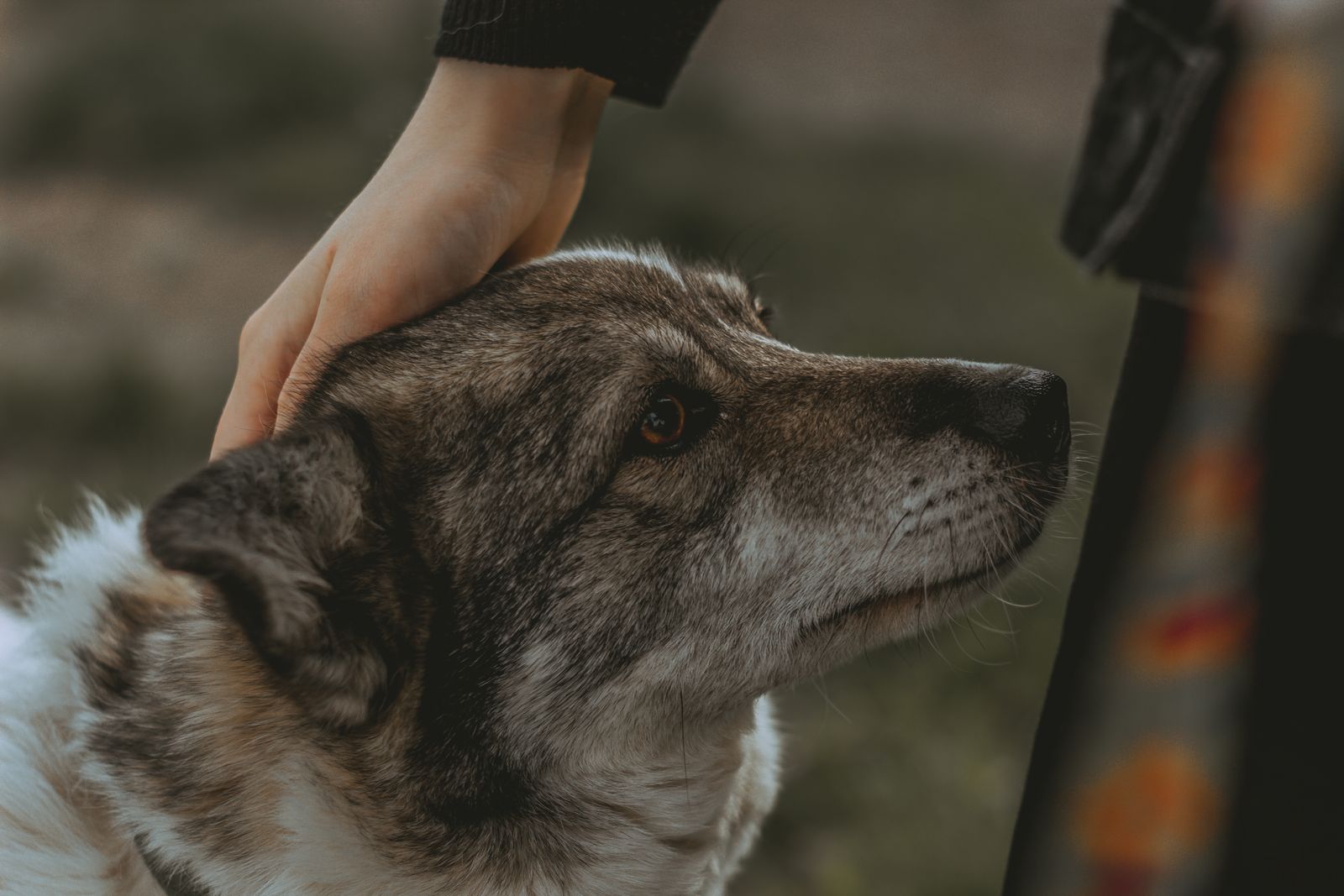
A highly affectionate, highly trainable, great with young children dog. On the practical side: low grooming demands and minimal drool. The trade-off is sheds plenty.
About the Swedish Vallhund.
The Swedish Vallhund looks like a wolf shrunk to corgi proportions, and the breed standard makes that resemblance deliberate: long body, short legs, prick ears, wedge head, sable double coat, often a natural bobtail. In NZ the breed is genuinely rare, with fewer than 50 registered dogs at most points and a small but dedicated breeder community working through Dogs NZ. The trade-off most Kiwi buyers underestimate is that “small dog” does not mean “low energy” or “quiet”; the Vallhund is a herding spitz first and a compact body second, which means a working brain, a measured bark, and an instinct to chase and gather anything that moves.
Adults stand 31 to 35 cm at the shoulder and weigh 9 to 14 kg, with males slightly larger than females. The double coat is harsh on the outside with a soft, dense undercoat, and runs through the wolf-grey, sable, red-brown and grey-brown range with the breed-standard “harness markings” of paler fur on the shoulders. Tails range from a full natural curl to a stub or full bobtail; all are correct under FCI rules and Dogs NZ. The popular nickname “Viking corgi” reflects an old (and unproven) story about Viking traders exchanging dogs with the British Isles around 800 to 1100 AD; whatever the truth, genetic studies group the Vallhund with the Welsh Corgi as related short-legged Northern European herders.
Personality and behaviour
Swedish Vallhunds are intensely affectionate with their household, watchful with strangers and confident around other dogs and small stock. They are biddable for a spitz, which is to say “more cooperative than a Husky, less compliant than a Labrador”. Daily life feels like living with a small dog who has opinions and an outdoor agenda. They notice everything: the courier coming up the drive, the cat on the fence, the unfamiliar gait of a visitor.
Two traits surprise new owners. The first is the bark. The breed was developed to drive cattle by barking and nipping at heels, and that vocal default carries into family life. Most NZ Vallhund owners describe a measured but frequent bark at gate visitors, livestock, and unexpected sounds, and that’s not a training failure but a trait. Early structured socialisation reduces nuisance barking but does not eliminate it. The second is the chase instinct. The Vallhund is a heeler at heart and will go after running children, joggers, cyclists, cars and chickens unless trained otherwise from week one.
The breed is calmer indoors than its energy on a walk suggests. Adults settle near the family after exercise and tolerate household routine well. The Vallhund is sociable with other dogs of similar size and confident around larger ones; the herding-stare can occasionally read as challenge to other working breeds, and adolescent Vallhunds (10 to 18 months) sometimes pick small fights they can’t win. Reward-based training and structured dog-park exposure resolve this if started early.
Care and exercise
Plan on 60 minutes of structured exercise per day, split into two outings. The breed handles long walks, hill hikes, fetch and any structured sport: agility, herding, scent work and trick training all suit the Vallhund and channel the working brain. Two stimulating sessions beat one long aimless wander. Discourage jumping off furniture and stair-climbing for puppies under 12 months; the long back is at moderate IVDD risk and adolescent joints are sensitive to repetitive impact.
The double coat is low maintenance. Once-a-week brushing is enough most of the year, two to three times a week through the three to four week coat blow each spring and autumn. The coat is largely self-cleaning and dries quickly after rain. Bathing every eight to ten weeks is enough. There is no mat risk and no professional grooming requirement; this is one of the easier-care coats in the working group.
Diet is light. Adults stay lean on 150 to 250 g of quality dry food per day, split into two meals. The breed gains weight quickly when underexercised; obesity loads the long back and accelerates IVDD risk. Across NZ, the breed is comfortable in every region; the double coat was developed for Swedish winters and handles cold easily. Manage upper North Island summers with shade, water and timed walks before 8 am or after 7 pm through January and February.
Sourcing a Swedish Vallhund in NZ takes patience. Registered Dogs NZ breeders work in very small numbers, mostly in Canterbury, Wellington and Waikato. Expect a 12 to 24 month waitlist for a litter and NZ$2,500 to NZ$4,000 per puppy with parent health screening (hip scores, vallhund-type PRA DNA clear, eye certificates). Breed-specific rescue does not exist as a formal organisation in NZ; the small breeder community handles rare rehoming through word of mouth. SPCA NZ effectively never sees a pure Swedish Vallhund. If a sub-NZ$2,000 “Swedish Vallhund” appears on Trade Me, it is almost certainly a corgi cross or a misidentified short-legged dog; ask for the Dogs NZ registration number and verify it through the registry before paying any deposit.
The Swedish Vallhund, by the numbers.
Each trait scored 1 to 5 on the AKC scale. The verdict synthesises the data; the panels below show the strengths, group averages, and the full trait table.
Top strengths
Family Life
avg 4.0Affectionate with Family
Good with Young Children
Good with Other Dogs
Physical
avg 2.3Shedding
Grooming Frequency
Drooling
Social
avg 3.8Openness to Strangers
Playfulness
Watchdog / Protective
Adaptability
Personality
avg 4.0Trainability
Energy Level
Barking Level
Mental Stimulation Needs
Living with a Swedish Vallhund.
A 24-hour breakdown of how this breed's day typically goes, scaled to its energy, mental-stimulation, and grooming needs.
What a Swedish Vallhund costs to own.
An indicative NZ lifetime cost: purchase, setup, then food, vet, insurance, grooming and other annual outgoings. Adjust the inputs to see how your choices change the total.
A Swedish Vallhund costs about
$224per month
$52
$7
$41,388
Adjust the inputs:
Where the monthly cost goes
Food
$70 / mo
$845/yr · breed-appropriate dry & wet food
Insurance
$59 / mo
$707/yr · lifetime cover protects against breed-specific claims
Vet (avg)
$49 / mo
$590/yr · routine checks plus breed-specific risk
Grooming
$8 / mo
$100/yr · brushes, shampoo, professional clips
Other
$38 / mo
$450/yr · toys, treats, dental, boarding
Indicative NZ averages calculated from breed weight, grooming need and screened-condition count. One-off costs (purchase $3,250 + setup $450) are factored into the lifetime total but not the monthly figure.
How does the Swedish Vallhund compare?
This breed
Swedish Vallhund
$41,388
14-year lifetime cost
- Purchase + setup$3,700
- Food (lifetime)$11,830
- Vet (lifetime)$8,260
- Insurance (lifetime)$9,898
- Grooming (lifetime)$1,400
- Other (lifetime)$6,300
Reference
Average NZ medium dog
$38,920
12-year lifetime cost
- Purchase + setup$2,200
- Food (lifetime)$13,200
- Vet (lifetime)$6,000
- Insurance (lifetime)$11,400
- Grooming (lifetime)$2,400
- Other (lifetime)$3,720
A Swedish Vallhund costs about $2,468 more over a lifetime than the average nz medium dog, mostly higherother and highervet.
What to ask the breeder.
Reputable NZKC breeders test for these conditions and share results without being prompted. If a breeder won't share screening results, that is itself an answer.
Common
1 conditionProgressive retinal atrophy (PRA, vallhund-type)
A breed-specific late-onset PRA. DNA-testable; reputable breeders test before mating. Onset typically after age five.
Occasional
3 conditionsHip dysplasia
Ask breeders for hip scores from both parents.
Patellar luxation
An occasional condition in the Swedish Vallhund. Worth asking about and DNA testing where available.
Intervertebral disc disease (IVDD)
Long back at moderate risk. Discourage jumping off furniture and stair-climbing for puppies under 12 months.
The Swedish Vallhund in NZ.
- NZ popularity: ranked #145
- Popularity: Very rare. The breed has a small but committed following in NZ herding-trial and conformation circles, mostly in Canterbury, Wellington and Waikato.
- Typical price: NZ$2500–4000 from registered breeders
- Rescue availability: rare
- NZ climate fit: The double coat handles the full NZ climate range; the breed was developed for Swedish winters. Manage upper North Island summer heat with shade and timed walks.
- Living space: Suits a fenced yard and lifestyle block. The breed is compact enough for a townhouse but vocal enough that close-row neighbours notice.
Who the Swedish Vallhund is for.
Suits
- Active families who want a small but capable working dog
- Lifestyle blocks and small farms
- Owners willing to do daily training and tolerate a vocal dog
Less suited to
- Households intolerant of barking
- Apartments with thin walls
- Owners expecting a low-energy "small dog"
Common questions.
Is a Swedish Vallhund actually related to the Welsh Corgi?
Are Swedish Vallhunds barkers?
How rare is the Swedish Vallhund in NZ?
If the Swedish Vallhund appeals, also consider.
Breeds with a similar profile that might suit your household.

Pembroke Welsh Corgi
The famous Royal corgi. Short legs, big personality, and a working herding brain in a 12 kg body. The most popular small herder in NZ households.

Cardigan Welsh Corgi
The older, larger and rarer of the two Welsh corgi breeds. A working herder with a long fox-like tail, distinct from the more famous Pembroke despite the shared name and silhouette.
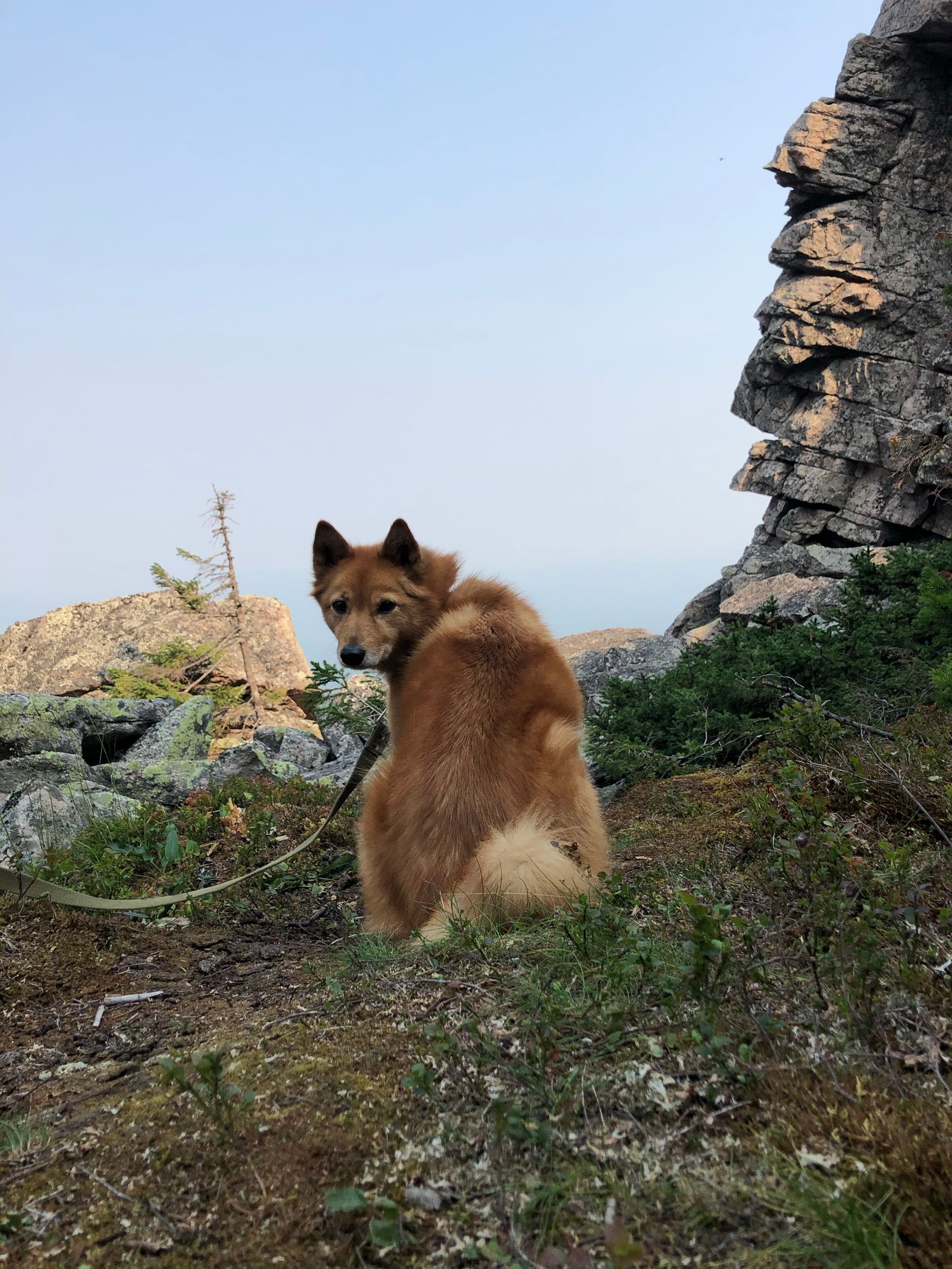
Finnish Spitz
Finland's national dog and the original "barking bird-dog", a fox-red spitz that hunts by voice and can fire off around 160 barks a minute on point. Quiet households need not apply.
Last reviewed:
Sources for this pageInformation only. Breed traits and health notes on this page are aggregated from public registry and breed-authority sources. Individual animals vary; this page is general information, not veterinary, behavioural, or insurance advice. Always consult a registered NZ vet or breeder for guidance specific to your situation.