
Sussex Spaniel Dog Breed Information
Also known as: Sussex
The slow heavy golden-liver spaniel of southern England. The "heavy spaniel" of British gundogs, bred for thick scrub work at a deliberate pace. Critically endangered as a native British breed and very rare in NZ.
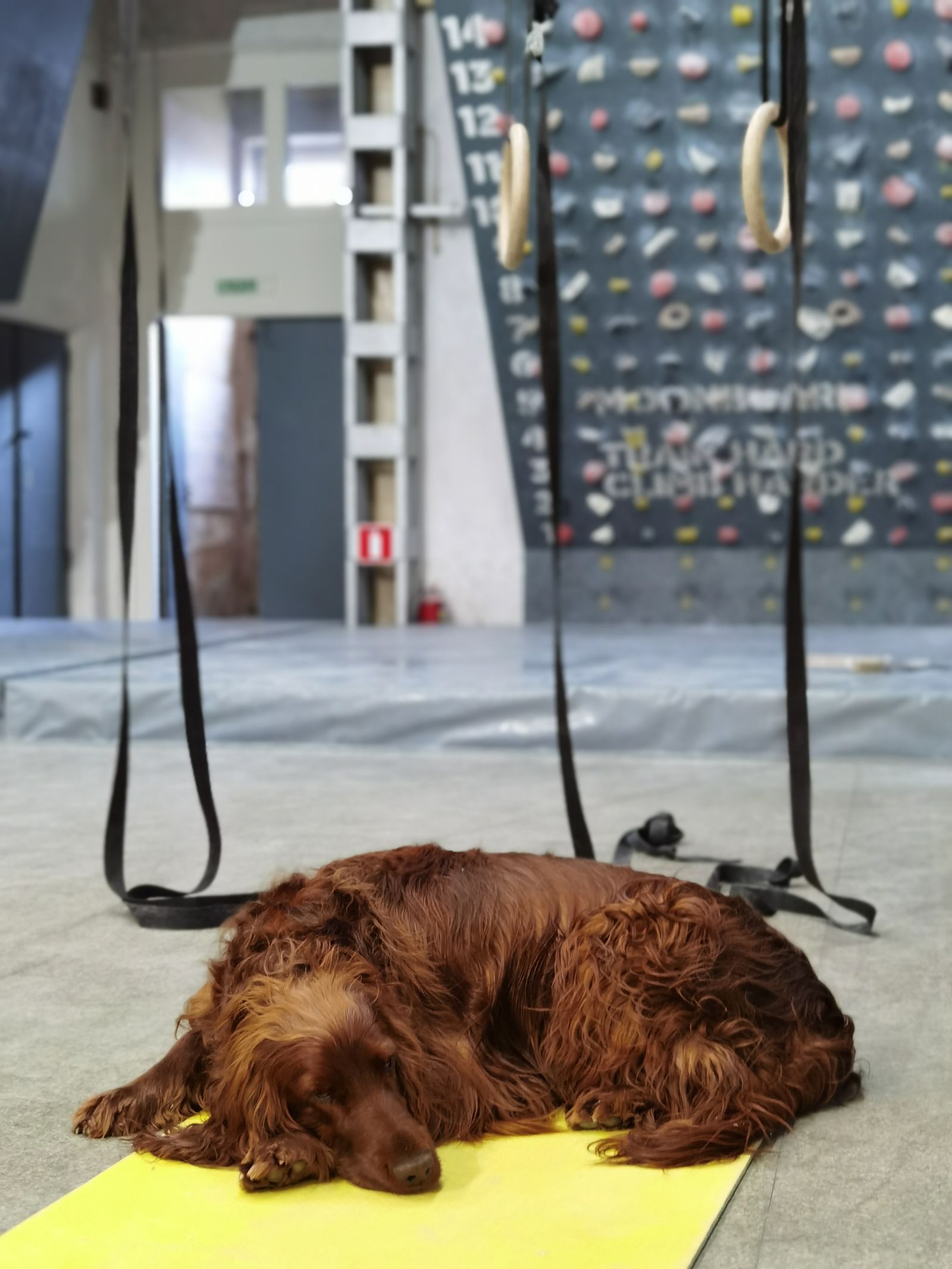
A highly affectionate, great with young children dog. On the practical side: minimal drool. The trade-off is vocal.
About the Sussex Spaniel.
The Sussex Spaniel is the slow heavy golden-liver spaniel of southern England, often called “the heavy spaniel” of British gundogs, and one of NZ’s rarest registered breeds. The breed sits on the UK Kennel Club’s Vulnerable Native Breeds list with annual UK registrations regularly under 100. NZ numbers are smaller still, with NZKC registrations in single figures most years and several-year gaps between national litters. Almost every NZ Sussex traces to UK or Australian imports.
Adults stand 33 to 41 cm at the shoulder and weigh 16 to 20 kg, low-slung and heavy-bodied, considerably more substantial than a Cocker on a shorter frame. The double feathered coat is the breed’s signature in a single colour: rich golden liver, with no other accepted shades. Lifespan is 11 to 13 years.
The signal that defines daily life with the breed is the deliberate pace. Where a Cocker or a Springer is busy and fast, a Sussex moves at its own steady speed and prefers a thoughtful walk to a sprint. The breed was selectively bred for that pace by 19th-century Sussex shooters who wanted a spaniel that could push thick scrub at a measured speed within gun range, rather than flush birds at a Springer’s pace. The temperament that produced has carried through.
Personality and behaviour
Sussex Spaniels are deeply affectionate with the household, polite with strangers and generally good with other dogs and children. The breed is calmer than most spaniels and tolerates a slower household pace well; older owners and families with school-age and older kids report the Sussex as one of the easier spaniels to live with. Around toddlers the breed is patient but the heavy build means supervised interactions early on.
The trait that surprises new owners is the voice. The Sussex is one of the most vocal British spaniels, with a distinctive bay or howl used in the field for tracking work. Pet households hear it on visitors, on suspicious sounds, and during play; the breed barks more than a Cocker and noticeably more than a Clumber. Apartment living and tight terraces with sensitive neighbours are not the breed’s habitat.
The trainability rating is moderate rather than high. The Sussex is intelligent enough to learn anything reasonable but is also stubborn enough to question why. Reward-based training works with patience; sessions need to be short and varied or the breed reads as bored. The breed shuts down quickly with harsh handling and the slow pace can be misread as defiance when it is simply the breed’s natural rhythm.
The retrieve and scent drive remains active in pet lines but at a slower expression than most spaniels. Off lead in safe country, a Sussex works the ground methodically, follows scent at a deliberate pace, and tends not to range as wide as a Cocker or Springer. Recall is less of a runaway risk than other spaniels but still benefits from lifetime work.
Care and exercise
Plan on 45 minutes of exercise per day for an adult Sussex, split across two shorter walks rather than one long run. The breed is built for sustained slow work, not gallop. Older dogs and dogs carrying joint or back issues need shorter, flatter walks.
Two health considerations shape the daily care routine in NZ.
- The long-bodied low-set build predisposes the breed to intervertebral disc disease (IVDD). Avoid jumping on and off furniture, use a ramp or steps for cars and beds, manage weight tightly, and keep the dog lean for life.
- The breed is congenitally prone to pulmonic stenosis and other heart conditions. Reputable NZ breeders screen breeding stock and provide cardiac certificates; ask for parental cardiac results when you visit a breeder.
Grooming is real work. Brush two to three times a week through the feathering on legs, chest, ears and tail, paying attention to mat-prone areas behind the ears and at the elbows. Book a professional clip every 8 to 10 weeks (NZ$80 to NZ$130). Check ears after every walk; the long-feathered dropped ear is a classic moisture and grass-seed trap and otitis is one of the more common breed claims on NZ pet insurance.
Diet and weight management is critical. The breed has a slow metabolism and is easily overfed. Measured portions, two meals a day, no free-feeding, and a regular weigh-in every two months. Obesity compounds the existing joint, back and cardiac risks and shortens lives meaningfully in this breed.
The double feathered coat handles cold and wet well, with longer drying time than a short-coated spaniel. Wellington, Canterbury, Otago and Southland winters are no problem. Upper North Island summer heat needs more management than for most spaniels; the heavy build and dense coat make the breed less heat-tolerant than a Cocker, and walking in cooler hours is sensible from December through February.
Where to find a Sussex Spaniel in New Zealand
Three honest paths.
- Registered NZKC breeders. The Dogs NZ breeders directory lists the very small number of NZKC Sussex Spaniel breeders. Litters are infrequent and not annual; expect a 24 month or longer wait, NZ$2,800 to NZ$4,500 per puppy, and full parent health screening (hip scores, cardiac certificates, PFK DNA results, eye certificates).
- Australian and UK imports. Most NZ Sussex owners end up working with Australian breeders or importing from the UK. The breed’s Vulnerable Native Breed status in the UK means active rebuilding pedigrees with broad genetic input is the norm; NZ buyers benefit from this when choosing imports.
- Rescue. Pure Sussex Spaniel surrenders are vanishingly rare at SPCA NZ given the breed’s NZ population. Breed networks coordinate any rehomes through NZKC contacts.
Verify the breed through NZKC papers and a parent visit. The Sussex’s distinctive low-set heavy build, golden-liver coat and deliberate pace are unmistakable in person and rule out crossbred lookalikes. The biggest commitment for an NZ Sussex household is the wait and the willingness to manage the breed’s specific health and weight needs across a full lifespan.
The Sussex Spaniel, by the numbers.
Each trait scored 1 to 5 on the AKC scale. The verdict synthesises the data; the panels below show the strengths, group averages, and the full trait table.
Top strengths
Family Life
avg 4.3Affectionate with Family
Good with Young Children
Good with Other Dogs
Physical
avg 2.7Shedding
Grooming Frequency
Drooling
Social
avg 2.8Openness to Strangers
Playfulness
Watchdog / Protective
Adaptability
Personality
avg 3.0Trainability
Energy Level
Barking Level
Mental Stimulation Needs
Living with a Sussex Spaniel.
A 24-hour breakdown of how this breed's day typically goes, scaled to its energy, mental-stimulation, and grooming needs.
What a Sussex Spaniel costs to own.
An indicative NZ lifetime cost: purchase, setup, then food, vet, insurance, grooming and other annual outgoings. Adjust the inputs to see how your choices change the total.
A Sussex Spaniel costs about
$280per month
$65
$9
$44,468
Adjust the inputs:
Where the monthly cost goes
Food
$87 / mo
$1,040/yr · breed-appropriate dry & wet food
Insurance
$69 / mo
$824/yr · lifetime cover protects against breed-specific claims
Vet (avg)
$64 / mo
$770/yr · routine checks plus breed-specific risk
Grooming
$23 / mo
$280/yr · brushes, shampoo, professional clips
Other
$38 / mo
$450/yr · toys, treats, dental, boarding
Indicative NZ averages calculated from breed weight, grooming need and screened-condition count. One-off costs (purchase $3,650 + setup $450) are factored into the lifetime total but not the monthly figure.
How does the Sussex Spaniel compare?
This breed
Sussex Spaniel
$44,468
12-year lifetime cost
- Purchase + setup$4,100
- Food (lifetime)$12,480
- Vet (lifetime)$9,240
- Insurance (lifetime)$9,888
- Grooming (lifetime)$3,360
- Other (lifetime)$5,400
Reference
Average NZ medium dog
$38,920
12-year lifetime cost
- Purchase + setup$2,200
- Food (lifetime)$13,200
- Vet (lifetime)$6,000
- Insurance (lifetime)$11,400
- Grooming (lifetime)$2,400
- Other (lifetime)$3,720
A Sussex Spaniel costs about $5,548 more over a lifetime than the average nz medium dog, mostly highervet and higherpurchase + setup.
What to ask the breeder.
Reputable NZKC breeders test for these conditions and share results without being prompted. If a breeder won't share screening results, that is itself an answer.
Common
2 conditionsHip dysplasia
Ask breeders for hip scores from both parents.
Otitis externa (ear infections)
Long-feathered dropped ears trap moisture and grass seeds.
Occasional
4 conditionsPulmonic stenosis
Congenital heart condition recognised in the breed; cardiac screening for breeding stock is standard with reputable breeders.
Intervertebral disc disease (IVDD)
The long-bodied build predisposes the breed to back issues, similar to the Basset Hound. Avoid jumping on and off furniture and manage weight.
Hypothyroidism
An occasional condition in the Sussex Spaniel. Worth asking about and DNA testing where available.
Phosphofructokinase deficiency (PFK)
Inherited metabolic enzyme deficiency; DNA-testable. Reputable breeders screen before mating.
Rare but urgent
1 conditionPatent ductus arteriosus (PDA)
Congenital cardiac condition; cardiac auscultation as a puppy catches most cases.
The Sussex Spaniel in NZ.
- Popularity: One of NZ's rarest registered gundog breeds, mirroring the breed's UK Vulnerable Native Breed status. NZKC registrations sit in single figures most years, often with multi-year gaps between national litters. Most NZ pedigrees rely on UK and Australian imports.
- Typical price: NZ$2800–4500 from registered breeders
- Rescue availability: rare
- NZ climate fit: The double feathered coat handles NZ cold and wet well, with longer drying time than a short-coated spaniel. Manage upper North Island summer heat with shade, water and earlier walks; the heavy build and dense coat make the breed less heat-tolerant than a Cocker.
- Living space: Suits suburban houses and lifestyle blocks. The breed's deliberate pace and lower exercise needs make it more suburb-compatible than most gundogs, but the vocal habit needs neighbour awareness.
Who the Sussex Spaniel is for.
Suits
- Calmer households wanting a low-energy spaniel
- Older owners or families with school-age and older kids
- Owners willing to wait years for a registered NZ litter
Less suited to
- High-energy active households expecting a Springer pace
- Apartments with neighbours sensitive to barking
- Households unwilling to manage shedding and ear care
Common questions.
How is the Sussex Spaniel different from a Cocker Spaniel?
Is the Sussex Spaniel rare in NZ?
How much does a Sussex Spaniel cost in NZ?
If the Sussex Spaniel appeals, also consider.
Breeds with a similar profile that might suit your household.

Clumber Spaniel
The heaviest of the spaniels. A heavy-boned, white-coated working dog with a slow, methodical hunting style and a calm, dignified house manner. Rare in NZ and held mostly by gundog and specialty-show households.
Field Spaniel
A rare British working spaniel, longer in body than the Cocker and a touch heavier in build. Calm, affectionate and slow-maturing, with a small but steady NZ following across gundog and family households.

Cocker Spaniel
Mid-sized gundog spaniel with a strong working drive and an active, busy temperament. Known for the silky feathered coat, the merry tail and a deep need for daily structured exercise.
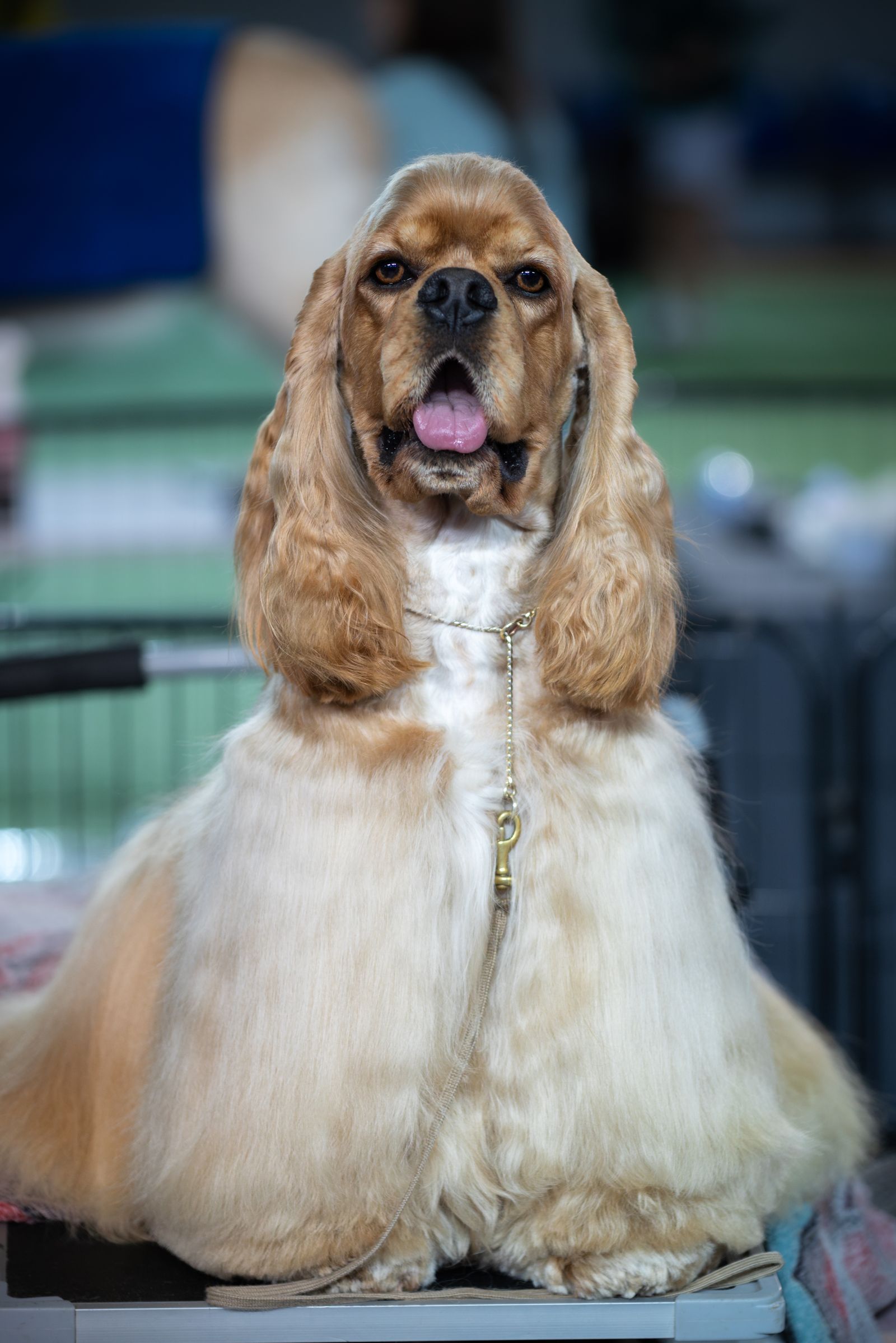
American Cocker Spaniel
The smaller, longer-coated, show-line cocker recognised by the AKC in 1946 as a separate breed from the English Cocker. Distinct from the NZ "Cocker Spaniel", which is the English type. The Disney Lady is an American Cocker.
Last reviewed:
Sources for this pageInformation only. Breed traits and health notes on this page are aggregated from public registry and breed-authority sources. Individual animals vary; this page is general information, not veterinary, behavioural, or insurance advice. Always consult a registered NZ vet or breeder for guidance specific to your situation.