
Giant Schnauzer Dog Breed Information
Also known as: Riesenschnauzer
The largest of the three Schnauzer breeds. A serious working and guarding dog used historically for cattle-droving and now in police, military and protection work. Rare in New Zealand and a poor first dog, but exceptional in the right hands.
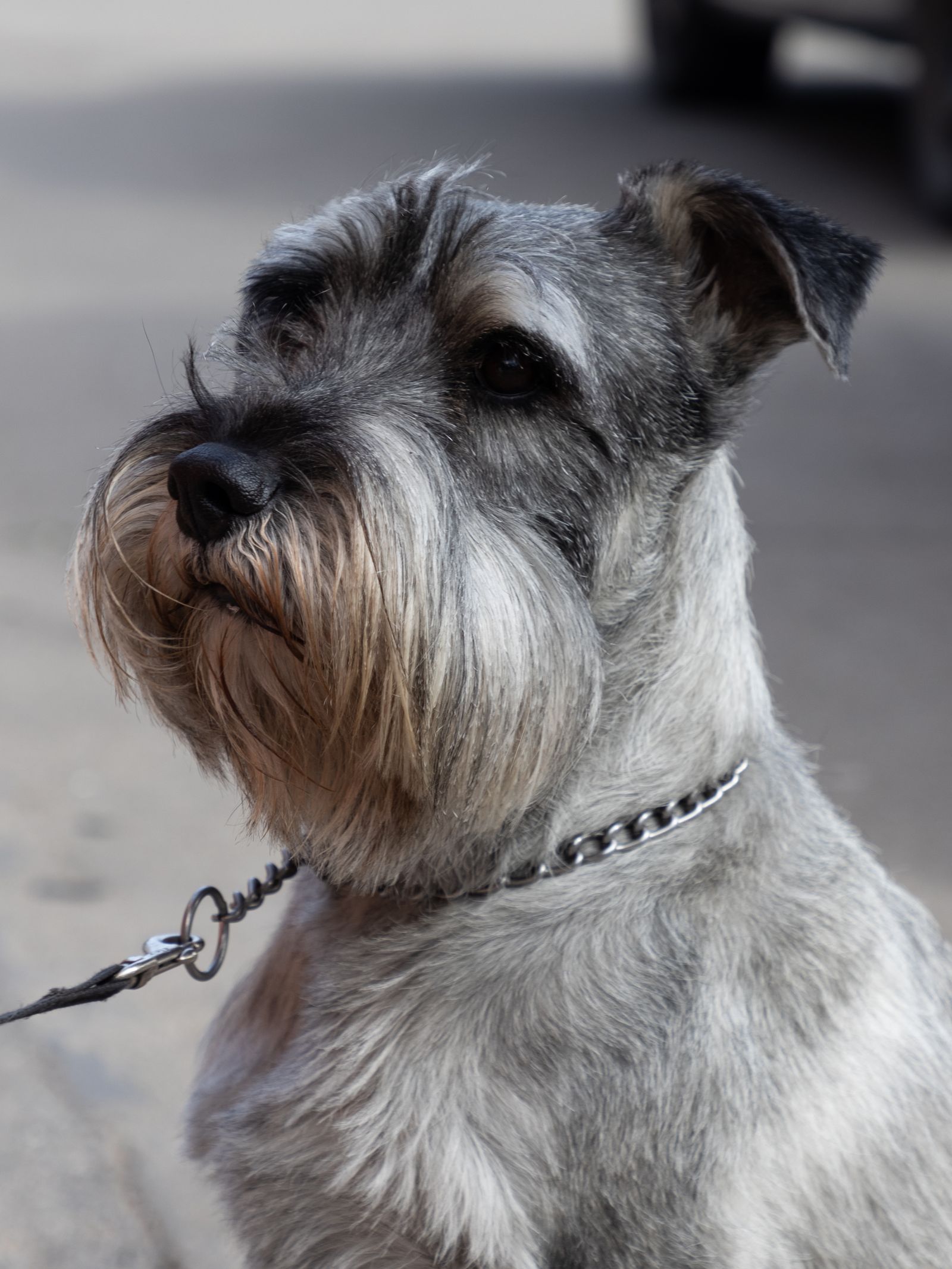
A highly affectionate, highly trainable, great with young children dog. On the practical side: minimal drool and low shedding. The trade-off is high grooming needs.
About the Giant Schnauzer.
The Giant Schnauzer is rare in New Zealand and not the breed most Kiwis picture when someone says “Schnauzer”. This is the largest of the three Schnauzer breeds: a 40 kg German working dog developed for cattle-droving, brewery-yard guarding and now used internationally in police and military roles, including occasional NZ Police and Customs work. NZ numbers are concentrated among experienced breed enthusiasts, working-dog handlers and protection-sport households; the breed is a poor first dog and a poor casual choice, and excellent in the hands of someone who can match the commitment.
Adults stand 60 to 70 cm at the shoulder and weigh 35 to 47 kg, with males clearly heavier and noticeably more substantial through the head and chest. The wire double coat is harsh outer over dense undercoat and comes in two breed-standard colours: solid black and salt-and-pepper. The trademark beard, eyebrows and leg furnishings are part of the standard and a meaningful part of daily life on a dog this size.
How the three Schnauzers compare
The Miniature, Standard and Giant Schnauzer are distinct breeds, not size variants. They share a wire coat, a beard and a broad temperament profile, but the size, drive and lifestyle fit differ sharply.
- Miniature (5 to 9 kg). The most popular of the three in NZ. Apartment-suitable, family-oriented, the easiest urban fit. Originally a small farm ratter.
- Standard (14 to 23 kg). The original German farm dog and the most working-typical of the three. Medium-sized, balanced drive, longest healthy lifespan.
- Giant (35 to 47 kg). A serious working breed with protective instincts and high training needs. Lifestyle-block and working-home territory.
If you want a Schnauzer for a townhouse, the Miniature is the answer. If you want a Schnauzer for a small farm and have working-breed experience, the Giant might be the dog. The two are not interchangeable.
Personality and behaviour
Giant Schnauzers are deeply bonded to their household, reserved with strangers and frequently intolerant of dogs of the same sex. The default temperament is alert, watchful and engaged: a dog that wants to know what’s happening on the section, where you’re going, and what its job is. Idle Giants become busy Giants, and busy Giants invent jobs. On a 40 kg dog with strong jaws and a guarding instinct, that’s a problem.
Three traits define daily life with the breed.
- The protective instinct is real. The Giant Schnauzer was bred for guarding work and most well-bred adults will alert to and assess strangers entering the property. With early socialisation and structured training the dog learns to defer to the handler’s read; without those, the dog makes its own decisions. This is a breed where the cost of poor socialisation is bites and rehoming, not chewed couches.
- The intelligence is exceptional. The breed reads patterns, anticipates routines and finds creative solutions. NZ Giant owners who don’t provide enough structured mental work get a dog who provides its own (often involving doors, fences, and the family vehicle).
- The trainability is top-tier on the right handler. Reinforcement-based training in varied, structured work produces an outstanding partner. Force, drills or inconsistency all backfire. The breed responds badly to harsh corrections and brilliantly to clear, consistent rules.
The breed is patient with its own family children and tolerant of household noise. Visiting children and unfamiliar adults need management, particularly in adolescence. Most NZ Giant owners report the breed as a calm, dignified house dog once an adult, with adolescence (12 to 24 months) the harder phase.
Care and exercise
Plan on 90 minutes of structured exercise per day for a healthy adult, split between a structured walk on lead, off-lead running in a secure area, and serious mental work (obedience, scent, protection sport, agility, tracking). The breed is not as drive-extreme as a Belgian Malinois but needs more than a typical large companion breed. Two stimulating sessions plus brain work beats one long walk; an underexercised Giant becomes a destructive Giant.
The wire coat on a 40 kg dog takes meaningful time. Specifically:
- Hand-stripping every 8 to 12 weeks keeps the harsh texture and colour correct. Few NZ groomers offer hand-stripping at this size; expect to ring around or learn to do it yourself. Cost runs NZ$300 to NZ$500 per session.
- Clipping every 8 to 12 weeks is the common pet-owner alternative. Cost NZ$120 to NZ$200. The coat softens, fades and loses weather resistance, but the dog stays tidy.
- Weekly brushing through the leg furnishings, beard and eyebrows.
- Daily beard wipes. A Giant’s beard catches food, water and mud on every walk; without daily wiping it stains, smells and develops yeast.
Shedding is genuinely low. The wire coat releases hair into the coat itself rather than dropping onto soft furnishings. Some allergy sufferers tolerate the breed well, though it is not hypoallergenic in any reliable sense.
Diet is straightforward for the size, with two important watch-points. Adults stay lean on 350 to 550 g of quality dry food per day, split into two meals to reduce bloat risk. Avoid hard exercise within an hour of meals. The deep-chested build means gastric dilatation-volvulus (bloat) is a recognised risk; some NZ owners elect prophylactic gastropexy at desexing surgery. Through adolescence (under 14 months), large-breed puppy food with controlled growth profiles helps protect joints already at hip and elbow dysplasia risk.
Across NZ, the breed is comfortable in Wellington, Christchurch, Canterbury and Otago. Auckland and Northland summers need shade, paddling-pool access and timed walks (before 8 am, after 7 pm in January and February). Avoid hard exercise above 22 degrees, particularly with black-coated dogs in direct sun. The breed handles cold easily; a frosty Otago morning is closer to its original climate than any North Island setting.
Where to find a Giant Schnauzer in New Zealand
Three paths, with realistic expectations.
- Registered NZKC breeders. The Dogs NZ breeders directory lists the small group of registered Giant Schnauzer breeders in NZ. Litters are uncommon (often one or two NZ litters per year nationally). Waitlists run 12 to 24 months. Expect NZ$2,500 to NZ$4,500 per puppy from health-tested parents (hip and elbow scores, eye certificates, thyroid panel, ideally cardiac evaluation). Reputable breeders prefer placements with prior working-breed experience, secure fencing, and a clear training plan.
- Breed-specific rescue. Giant Schnauzer rescue is rare in NZ. Adolescents and adults occasionally appear through Dogs NZ contacts after life changes, often surrendered by under-prepared owners. Adoption fees run NZ$500 to NZ$1,000.
- SPCA NZ. SPCA centres very occasionally receive Giant Schnauzer or Giant-cross dogs. Most “Giant Schnauzer” listings on Trade Me are unregistered, designer-cross or Standard-Schnauzer-mix dogs; buying without papers is not the right path for a serious working breed.
Council registration in NZ runs NZ$50 to NZ$130 per year depending on district and desexing status. Working or protection-trained dogs may have different requirements; check with your council. NZKC-registered owners working in protection sport often use NZ-affiliated IGP (formerly IPO) or PSA clubs; these are present in low numbers around Auckland, Wellington and Canterbury.
What surprises new owners
Three things consistently catch first-time Giant Schnauzer owners off guard.
- The size on the inside. A 40 kg dog with a guarding instinct takes up serious house space and serious decision-making energy. Owners who picture “a bigger Mini Schnauzer” are not picturing the dog accurately.
- The training intensity. The breed needs structured daily training, not just exercise. Owners who skip the training but provide the exercise still get behaviour problems; owners who do both get an outstanding family and working dog.
- The grooming time. Coat care on a 40 kg wire-coated dog takes meaningfully longer than on the Mini. Plan two to three hours a fortnight on coat work, plus the daily beard maintenance.
The Giant Schnauzer, by the numbers.
Each trait scored 1 to 5 on the AKC scale. The verdict synthesises the data; the panels below show the strengths, group averages, and the full trait table.
Top strengths
Family Life
avg 4.0Affectionate with Family
Good with Young Children
Good with Other Dogs
Physical
avg 2.3Shedding
Grooming Frequency
Drooling
Social
avg 3.5Openness to Strangers
Playfulness
Watchdog / Protective
Adaptability
Personality
avg 4.3Trainability
Energy Level
Barking Level
Mental Stimulation Needs
Living with a Giant Schnauzer.
A 24-hour breakdown of how this breed's day typically goes, scaled to its energy, mental-stimulation, and grooming needs.
What a Giant Schnauzer costs to own.
An indicative NZ lifetime cost: purchase, setup, then food, vet, insurance, grooming and other annual outgoings. Adjust the inputs to see how your choices change the total.
A Giant Schnauzer costs about
$384per month
$89
$13
$59,246
Adjust the inputs:
Where the monthly cost goes
Food
$144 / mo
$1,730/yr · breed-appropriate dry & wet food
Insurance
$103 / mo
$1,238/yr · lifetime cover protects against breed-specific claims
Vet (avg)
$59 / mo
$710/yr · routine checks plus breed-specific risk
Grooming
$40 / mo
$480/yr · brushes, shampoo, professional clips
Other
$38 / mo
$450/yr · toys, treats, dental, boarding
Indicative NZ averages calculated from breed weight, grooming need and screened-condition count. One-off costs (purchase $3,500 + setup $450) are factored into the lifetime total but not the monthly figure.
How does the Giant Schnauzer compare?
This breed
Giant Schnauzer
$59,246
12-year lifetime cost
- Purchase + setup$3,950
- Food (lifetime)$20,760
- Vet (lifetime)$8,520
- Insurance (lifetime)$14,856
- Grooming (lifetime)$5,760
- Other (lifetime)$5,400
Reference
Average NZ medium dog
$38,920
12-year lifetime cost
- Purchase + setup$2,200
- Food (lifetime)$13,200
- Vet (lifetime)$6,000
- Insurance (lifetime)$11,400
- Grooming (lifetime)$2,400
- Other (lifetime)$3,720
A Giant Schnauzer costs about $20,326 more over a lifetime than the average nz medium dog, mostly higherfood and higherinsurance.
What to ask the breeder.
Reputable NZKC breeders test for these conditions and share results without being prompted. If a breeder won't share screening results, that is itself an answer.
Common
2 conditionsHip and elbow dysplasia
Ask breeders for hip and elbow scores from both parents.
Bloat (gastric dilatation-volvulus)
Deep-chested large breed; feed twice daily and avoid hard exercise around meals.
Occasional
4 conditionsHypothyroidism
An occasional condition in the Giant Schnauzer. Worth asking about and DNA testing where available.
Eye conditions (cataracts, progressive retinal atrophy)
Annual ophthalmologist eye check is standard for breeding stock.
Squamous cell carcinoma of the toe
Over-represented in black Giant Schnauzers; investigate any persistent toe lameness or swelling.
Allergic skin disease
An occasional condition in the Giant Schnauzer. Worth asking about and DNA testing where available.
The Giant Schnauzer in NZ.
- NZ popularity: ranked #110
- Popularity: Rare in NZ. Concentrated among experienced breed enthusiasts, working-dog homes and protection-sport handlers. Most New Zealanders picturing 'a Schnauzer' have the Miniature in mind; the Giant is a different commitment in size, drive and training.
- Typical price: NZ$2500–4500 from registered breeders
- Rescue availability: rare
- NZ climate fit: Wire double coat handles the full NZ climate range comfortably. The harsh outer coat repels rain and dries fast; the dense undercoat insulates against cold. Heat is a watch-point in upper North Island summers given the breed's working drive and dark coat.
- Living space: Needs a fenced section (1.8 m, secure) and serious daily exercise. Lifestyle blocks and rural properties suit; suburban houses work for committed owners; apartments do not.
Who the Giant Schnauzer is for.
Suits
- Experienced owners with working-dog or guard-breed background
- Lifestyle blocks and farms with secure fencing
- Households able to commit to daily training, exercise and grooming
- Owners wanting a serious protection-capable family dog with low shedding
Less suited to
- First-time owners
- Apartments and small townhouses
- Households with constant streams of strangers or visiting children
- Owners unwilling to commit to early structured training and socialisation
Common questions.
Standard, Miniature or Giant Schnauzer?
Are Giant Schnauzers good family dogs?
Are Giant Schnauzers used in NZ Police?
Do Giant Schnauzers shed?
If the Giant Schnauzer appeals, also consider.
Breeds with a similar profile that might suit your household.

Standard Schnauzer
The original of the three Schnauzer sizes. A medium working dog with a sharp mind, low-shed wire coat, and a sense of humour that tips into mischief if undertrained.

Miniature Schnauzer
The smallest and most popular of the three Schnauzers in New Zealand. A bearded, low-shed wire-coated companion that suits small properties, allergy-prone households and owners who want a confident small dog with terrier sparkle.

Rottweiler
A powerful, confident working dog with a deep bond to its household. Rottweilers are calm and steady when raised right, and a serious responsibility when not.
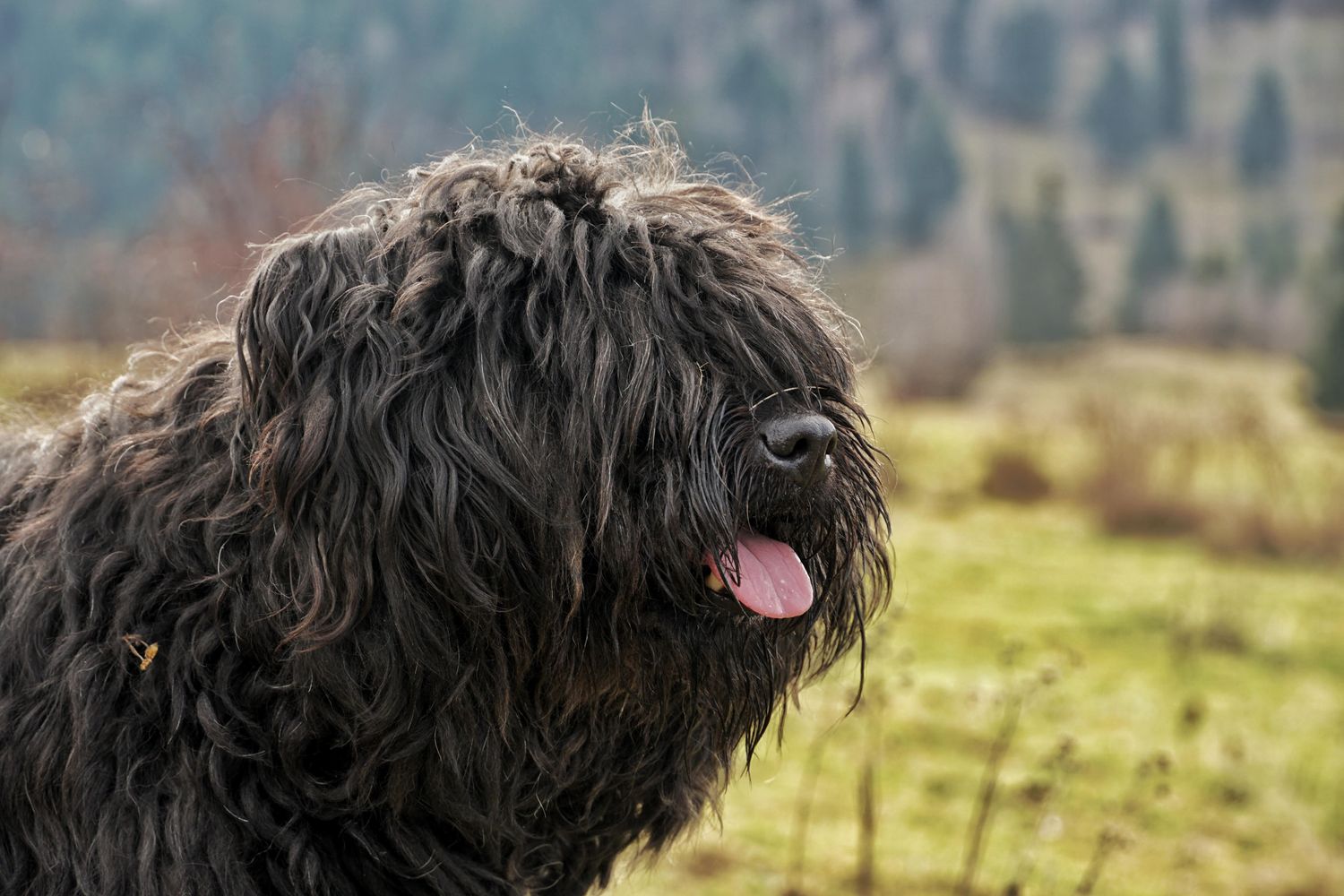
Bouvier des Flandres
A heavy, tousled Belgian cattle drover with a big beard, a calm head and a serious working past. Strong, watchful, and an unusually demanding grooming proposition for NZ households.
Last reviewed:
Sources for this pageInformation only. Breed traits and health notes on this page are aggregated from public registry and breed-authority sources. Individual animals vary; this page is general information, not veterinary, behavioural, or insurance advice. Always consult a registered NZ vet or breeder for guidance specific to your situation.