
Russian Toy Dog Breed Information
Also known as: Russkiy Toy, Russian Toy Terrier, Moscow Toy Terrier
A 1.5 to 3 kg Russian toy bred from the English Toy Terrier in late-19th-century Moscow and Saint Petersburg, smaller than the typical Chihuahua and one of the smallest breeds in the world. Comes in a smooth-coat and a long-coat variety. Increasingly popular with NZ apartment dwellers for the tiny footprint and biddable temperament.
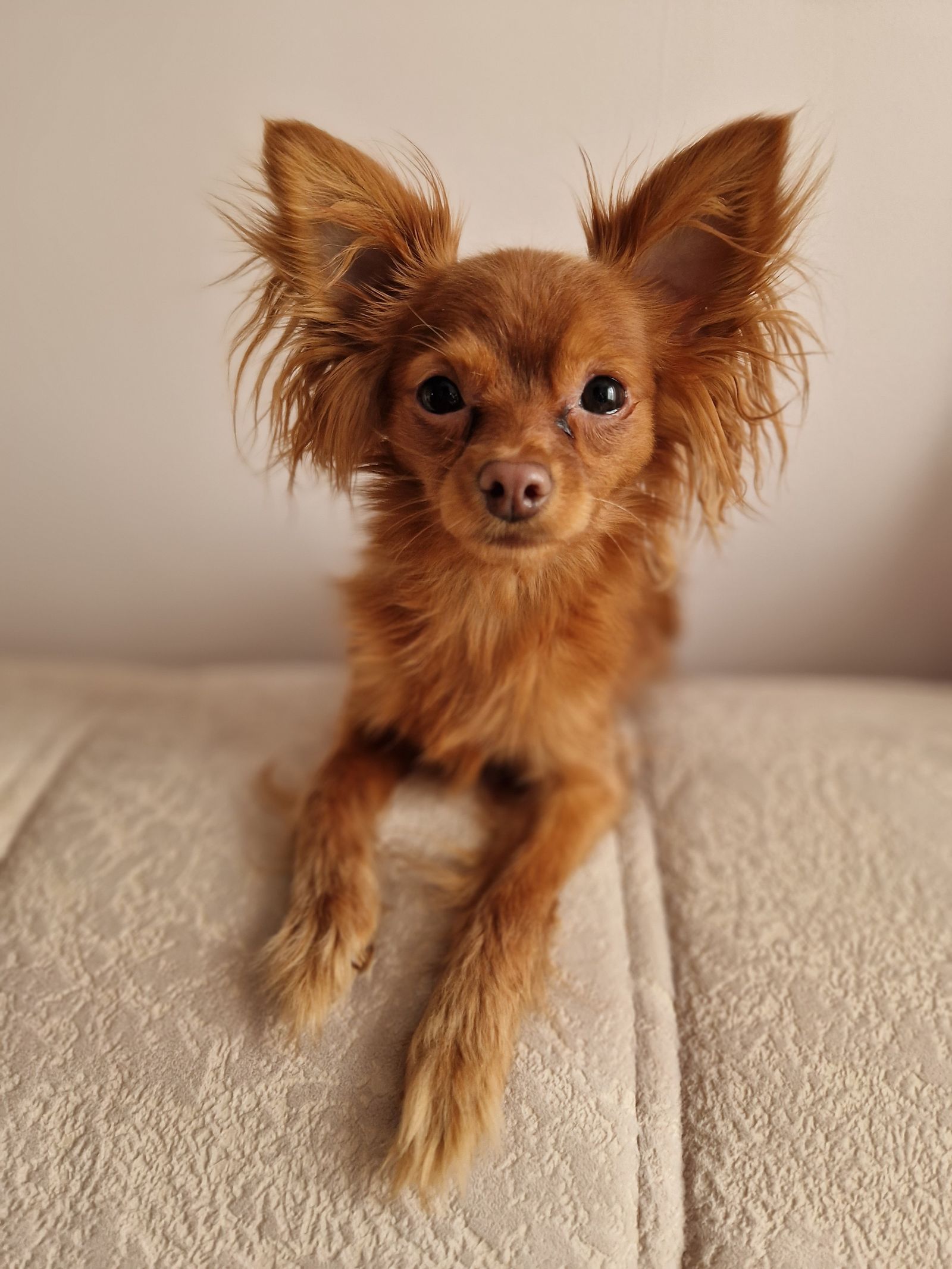
A highly affectionate, highly trainable, highly playful dog. On the practical side: low grooming demands and minimal drool. The trade-off is vocal.
About the Russian Toy.
The Russian Toy is one of the smallest dog breeds in the world, smaller than the typical Chihuahua and bred from the English Toy Terrier in late-19th-century Moscow and Saint Petersburg as a drawing-room companion for the Imperial Russian aristocracy. The breed comes in two coat varieties (smooth and long-coat), often produced in the same litter, and has grown steadily in NZ since the late 2010s among apartment owners drawn to the tiny footprint, biddable temperament and an alternative to the Chihuahua. NZKC registrations sit in the low double digits each year, with a small group of NZ-based breeders importing stock from Russia, Eastern Europe and Australia.
Adults stand 20 to 28 cm at the shoulder and weigh 1.5 to 3 kg, making the breed lighter than almost any other registered toy. The smooth coat is short and glossy; the long coat has 3 to 5 cm fringes on the ears, the back of the legs and the tail. Colours include black and tan, blue and tan, brown and tan, red, red sable and lilac and tan. Lifespan runs 12 to 15 years.
Personality and behaviour
Russian Toys are alert, lively and closely bonded to one or two people in the household. The breed is reserved with strangers in a way the bichon-family toys are not; a confident socialised Russian Toy is polite with new people, but warming up takes minutes rather than seconds, and an undersocialised dog can drift toward shy or yappy behaviour. Early socialisation matters more for this breed than for the average toy. With other dogs the breed is generally polite, but the size mismatch with anything larger than a small dog is a real concern; most Russian Toys are best kept on lead around bigger dogs and on a long line in mixed-dog parks.
The bark is the trade-off. Russian Toys are watchful and will alert on the doorbell, on passing cars, on couriers and on unfamiliar sounds, and the alert bark can become a constant pattern fast if reinforced. Picking up a barking Russian Toy to soothe it is the single most common reinforcement of the problem. Quiet-on-cue training from puppyhood, ignoring nuisance barks and rewarding calm behaviour are the standard fixes; the breed is among the easier toys to teach a real quiet cue if the work is done early.
The trait that surprises new owners is the trainability. Russian Toys are bright, food-motivated and engaged with their owner in a way Chihuahuas often are not, and the breed responds quickly to reinforcement-based training. Sit, recall, name, leash manners and a reasonable trick repertoire are achievable inside the first three months. Owners who treat the breed as a trainable small partner rather than a passive lap dog get a much better dog.
The other trait that surprises new owners is the fragility. The lean body, fine bones and 1.5 to 3 kg weight mean a jump from the sofa or a misstep on the stairs can fracture a leg, and an accidental fall by a child or a trip from a partner is a vet visit. The breed needs supervision around height changes that no other size class needs, and households with active toddlers, larger dogs or busy stairs are not the right fit.
Around children, the breed is patient with calm older children who handle small dogs gently. Toddlers and primary-school-aged kids under eight are a poor match because the body is genuinely too fragile for accidental rough handling, and most NZKC-affiliated breeders will not place a puppy in a household with children under eight.
Care and exercise
Plan on around 30 minutes of exercise a day, split between two short walks and indoor play. The breed is not high-energy in the working sense; a 12 to 15 minute morning walk and a 12 to 15 minute evening walk plus zoomies in the lounge meet the daily need comfortably. Russian Toys enjoy short training drills and food puzzles as mental enrichment, and the breed responds well to a daily 5 to 10 minute trick session.
Recall and lead manners need work. The breed has more drive than the size suggests, and a Russian Toy off-lead in an unfenced setting is a flight risk. A Y-front harness rather than a collar is essential because of tracheal collapse risk; jerking on a collar in this size class causes real damage.
Grooming is one of the easier setups in the toy group. Smooth-coat dogs need a weekly brush with a soft bristle brush; long-coat dogs need brushing two or three times a week with a pin brush, paying attention to the feathering on the ears, legs and tail. Neither variety needs professional clipping, and total annual grooming spend is well under NZ$300 if the owner does the basics at home. Bath every six to eight weeks.
Dental care is the major ongoing health task. Toy-breed dental disease is severe in this size class, with crowded jaws, retained baby teeth and plaque building fast. Daily home brushing slows the build-up but does not replace the descale; most adult Russian Toys need an annual scale-and-polish under anaesthetic from age 4 at NZ$500 to NZ$900 per session. Retained baby teeth are common and usually need to come out at the desexing or first descale appointment.
The dietary watch-outs are portion control and puppy hypoglycaemia. A 2.5 kg adult eats 40 to 70 g of quality dry food a day, and the very small stomach copes better with two or three small meals than one large feed. Puppies under 2 kg are at real risk of blood sugar crashes if meals are missed; small frequent meals for the first 16 weeks are essential, and most NZ breeders supply a sugar paste (Nutri-Plus, Nutri-Cal) for emergencies.
Climate fit is uneven. Heat tolerance is reasonable for a small dog and Auckland summers suit a Russian Toy with shade and water access. Cold tolerance is poor; the lean body and fine coat insulate poorly against frost, and cold mornings in Wellington, Christchurch and Otago below 10 degrees need a fitted coat for walks. Indoor heating above 18 degrees is the breed’s preferred environment year-round, and most Russian Toys spend NZ winters happily on a heated dog bed by the fire.
Where to find a Russian Toy in New Zealand
Three paths.
- Registered NZKC breeders. The Dogs NZ breeders directory lists the small group of registered Russian Toy breeders, mostly in Auckland, Hamilton and Christchurch. Expect a 9 to 18 month waitlist and NZ$2,500 to NZ$4,500 per puppy. A reputable breeder shows patella scores, eye certificates, dental records on parents and ideally cardiac auscultation. Walk away from “teacup” listings; the breed is already small and “teacup” usually points to undersized runts with health risks.
- Imports. Some NZ owners import from Russia, Eastern Europe or Australia. The cost runs NZ$5,000 to NZ$8,000 with shipping, paperwork and arrival care depending on origin country. Australian imports are the simpler option for most NZ owners.
- Toy and small-breed rescue, SPCA. Pure Russian Toys in NZ rescue are very rare; the breed’s small population means almost none are surrendered. Russian Toy crosses (often with Chihuahua) appear occasionally in SPCA centres at NZ$300 to NZ$600 and are worth considering for owners attracted to the temperament rather than the breed standard.
Council registration is required by 12 weeks under the Dog Control Act. The DIA national dog database holds the record; your local council issues the tag and the annual fee. Microchip details flow through the New Zealand Companion Animal Register.
The Russian Toy, by the numbers.
Each trait scored 1 to 5 on the AKC scale. The verdict synthesises the data; the panels below show the strengths, group averages, and the full trait table.
Top strengths
Family Life
avg 3.3Affectionate with Family
Good with Young Children
Good with Other Dogs
Physical
avg 1.7Shedding
Grooming Frequency
Drooling
Social
avg 3.3Openness to Strangers
Playfulness
Watchdog / Protective
Adaptability
Personality
avg 3.5Trainability
Energy Level
Barking Level
Mental Stimulation Needs
Living with a Russian Toy.
A 24-hour breakdown of how this breed's day typically goes, scaled to its energy, mental-stimulation, and grooming needs.
What a Russian Toy costs to own.
An indicative NZ lifetime cost: purchase, setup, then food, vet, insurance, grooming and other annual outgoings. Adjust the inputs to see how your choices change the total.
A Russian Toy costs about
$212per month
$49
$7
$39,636
Adjust the inputs:
Where the monthly cost goes
Food
$47 / mo
$568/yr · breed-appropriate dry & wet food
Insurance
$45 / mo
$541/yr · lifetime cover protects against breed-specific claims
Vet (avg)
$74 / mo
$890/yr · routine checks plus breed-specific risk
Grooming
$8 / mo
$100/yr · brushes, shampoo, professional clips
Other
$38 / mo
$450/yr · toys, treats, dental, boarding
Indicative NZ averages calculated from breed weight, grooming need and screened-condition count. One-off costs (purchase $3,500 + setup $450) are factored into the lifetime total but not the monthly figure.
How does the Russian Toy compare?
This breed
Russian Toy
$39,636
14-year lifetime cost
- Purchase + setup$3,950
- Food (lifetime)$7,952
- Vet (lifetime)$12,460
- Insurance (lifetime)$7,574
- Grooming (lifetime)$1,400
- Other (lifetime)$6,300
Reference
Average NZ medium dog
$38,920
12-year lifetime cost
- Purchase + setup$2,200
- Food (lifetime)$13,200
- Vet (lifetime)$6,000
- Insurance (lifetime)$11,400
- Grooming (lifetime)$2,400
- Other (lifetime)$3,720
A Russian Toy costs about $716 more over a lifetime than the average nz medium dog, mostly highervet and lowerfood.
What to ask the breeder.
Reputable NZKC breeders test for these conditions and share results without being prompted. If a breeder won't share screening results, that is itself an answer.
Common
4 conditionsPatellar luxation
Slipping kneecaps. Reputable NZKC breeders score parents.
Dental disease
Severe in this size class. Crowded toy jaw, retained baby teeth, plaque builds fast. Daily brushing and annual scale-and-polish from age 4 are standard.
Hypoglycaemia in puppies
Real risk in dogs under 2 kg. Small frequent meals for the first 16 weeks; sugar paste on hand for emergencies.
Fragile long bones (fractures from minor falls)
A jump from the sofa or a misstep on the stairs can fracture a leg. The breed needs careful supervision around height changes.
Occasional
5 conditionsLegg-Calve-Perthes disease
Hip joint degeneration in young toy-breed dogs. Surgical correction usually successful.
Tracheal collapse
Use a Y-front harness rather than a collar for lead walking.
Atlantoaxial instability
A toy-breed neck condition. Avoid jerking on a collar.
Eye conditions (cataracts, progressive retinal atrophy, dry eye)
An occasional condition in the Russian Toy. Worth asking about and DNA testing where available.
Cardiac conditions (mitral valve disease)
More common in older dogs. Annual cardiac auscultation from age 7 is sensible.
The Russian Toy in NZ.
- Popularity: A growing presence in NZ since the late 2010s, particularly among apartment owners in Auckland CBD, Wellington and Christchurch. The combination of tiny footprint, low grooming, biddable temperament and city-friendly exercise need has made the breed an alternative to the Chihuahua for owners specifically wanting a sharper, more trainable miniature companion.
- Typical price: NZ$2500–4500 from registered breeders
- Rescue availability: rare
- NZ climate fit: Heat tolerance is reasonable for a small dog. Cold tolerance is poor; the lean body and fine coat (in either variety) insulate poorly, and cold mornings in Wellington, Christchurch and Otago below 10 degrees need a fitted coat for walks. Indoor heating above 18 degrees suits the breed best.
- Living space: One of the better breeds for very small NZ apartments. Tiny footprint, low grooming, biddable, sharp. The 30-minute exercise need is met on city walks, and the breed adapts well to lift-and-corridor living. Stairs and height changes need supervision because of the fragile bones.
Who the Russian Toy is for.
Suits
- Apartment and townhouse households in any NZ city
- Older owners and retirees who want a tiny affectionate companion
- Single-person households or couples without small children
- Owners who want a sharper, more confident alternative to the Chihuahua
Less suited to
- Households with toddlers or boisterous young children
- Owners wanting a hardy outdoor or hiking dog
- Households where the dog will be left alone for full workdays
- Households with large or rambunctious dogs (size mismatch is a real injury risk)
Common questions.
How is the Russian Toy different from a Chihuahua?
What's the difference between smooth-coat and long-coat Russian Toys?
Are Russian Toys good with kids?
How rare is the Russian Toy in NZ?
If the Russian Toy appeals, also consider.
Breeds with a similar profile that might suit your household.

Chihuahua (Smooth Coat)
The world's smallest recognised dog breed in its short-coated variety. A 2 to 3 kg toy from central Mexico, bonded fiercely to one person, popular in Auckland and Wellington apartments, and one of the longest-lived breeds at 14 to 18 years.

Chihuahua (Long Coat)
The long-haired variety of the world's smallest recognised breed. Same standard, same temperament and same health profile as the Smooth Coat, with a soft single coat plus feathering on the ears, legs and tail that needs regular brushing. Popular in Auckland and Wellington apartments and one of the longest-lived breeds at 14 to 18 years.
English Toy Terrier
A 2.7 to 3.6 kg sleek black-and-tan toy, the smaller cousin of the Manchester Terrier and a miniaturised ratting terrier from Victorian England. Listed as a vulnerable native breed in the UK by the Kennel Club. Genuinely uncommon in NZ, with most pups coming from a small handful of NZKC-registered breeders.

Miniature Pinscher
A compact German ratting toy with a hackney trot, big personality and zero off-switch. Looks like a small Doberman but is a separate, older breed. Rare in NZ but loved by owners who want a high-drive, low-shedding 4 kg dog.
Last reviewed:
Sources for this pageInformation only. Breed traits and health notes on this page are aggregated from public registry and breed-authority sources. Individual animals vary; this page is general information, not veterinary, behavioural, or insurance advice. Always consult a registered NZ vet or breeder for guidance specific to your situation.