
Eurasier Dog Breed Information
Also known as: Eurasian, Wolf-Chow
A modern German breed deliberately designed as a calm family companion. Built from Chow Chow, Wolfspitz (Keeshond) and Samoyed in the 1960s, the Eurasier has no working drive, a quiet temperament, and a strong bond to its household.
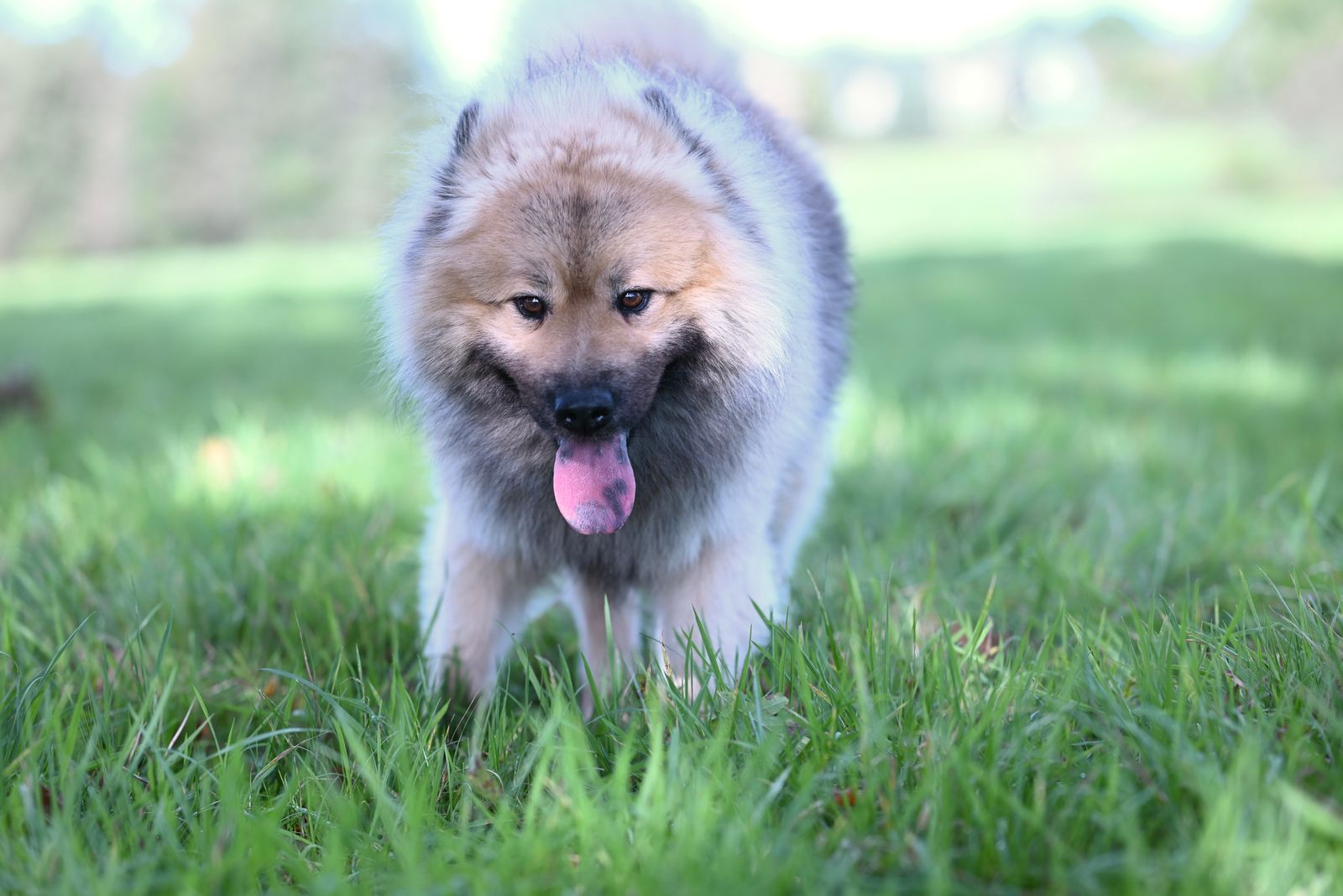
A highly affectionate, highly trainable, great with young children dog. On the practical side: minimal drool. The trade-off is sheds plenty.
About the Eurasier.
The Eurasier is one of the youngest recognised dog breeds in the world, designed in 1960s Germany as a deliberate companion-breed project. Julius Wipfel started with crosses of the Chow Chow and the German Wolfspitz, added Samoyed in 1972 to lighten the temperament, and aimed for a calm, dignified family dog with no working drive. The FCI recognised the modern breed in 1973. NZ numbers remain small but consistent, with most Eurasiers in suburban and lifestyle-block homes across Auckland, Wellington, Christchurch and Dunedin where families chose the breed specifically as a quiet indoor companion.
Adults stand 48 to 60 cm at the shoulder and weigh 18 to 32 kg, with males larger than females. The thick double coat appears in fawn, red, wolf-grey, black, and black and tan, and lifespan sits at a comfortable 11 to 14 years, longer than either of its larger spitz cousins.
Personality and behaviour
Eurasiers are deeply bonded to their household and reserved with everyone else. The breed default is calm and indoor-oriented; a well-raised adult lies in the same room as the family, follows handlers from room to room, and settles quietly when household activity slows. The Eurasier is sometimes called a “velcro dog” for the close attachment to people, and the breed does not cope well with being left alone for full workdays.
The defining trait is the temperament dial. The Eurasier inherits the Chow Chow’s calm dignity without the territorial overreach, the Wolfspitz’s sociability without the constant noise, and the Samoyed’s affection without the high-energy demand. The breed sits in a deliberately moderate place across most trait dimensions, which is the design success of the project.
Around strangers the Eurasier is polite and uninterested. The breed accepts introduced visitors calmly, ignores unfamiliar people on a walk, and rarely escalates beyond a single deep bark when something genuinely warrants alert. Owners coming from a Labrador or Golden Retriever often misread the Eurasier as cold; it is reserved by design, not unfriendly.
Around other dogs the breed is variable. Most Eurasiers are civil with familiar housemates and well-mannered with strangers on lead. Same-sex aggression between adults is occasionally reported and most breeders place puppies into single-dog or mixed-sex homes. Dog parks work for some adults; many Eurasier owners prefer quieter walks.
The trait that surprises new owners is the quietness. Eurasiers are one of the lower-barking breeds in the Utility group; nuisance vocalisation is rare. The breed is also notably low-odour for a heavy-coated dog, and the coat is largely self-cleaning between brushings.
Care and exercise
Plan on around 60 minutes of moderate exercise a day for an adult, split between two walks. The breed is not a working or sport dog and does not need structured high-intensity exercise; steady walks at a firm pace, garden time and household engagement meet the daily need. Eurasiers enjoy hiking and lifestyle-block roaming once growth plates close but are not built for endurance running.
Grooming is moderate but not zero. The thick double coat needs brushing twice a week with a slicker and pin brush, and daily brushing for two to three weeks during the spring and autumn coat blow when the undercoat releases in clumps. An undercoat rake and a high-velocity dryer (NZ$200 to NZ$400 each) make seasonal shedding manageable. Bath every eight to twelve weeks. The coat is largely self-cleaning and resists matting better than the Chow Chow rough variety.
The dietary priority is consistent moderate feeding. Adults eat 2 to 4 cups of quality food a day split into two meals to reduce bloat risk. The breed is a moderate eater for its size and maintains weight well on appropriate portions. Inactive Eurasiers can gain weight quietly under the heavy coat; check body condition by feel rather than visual inspection through the fur.
Climate fit across NZ favours cooler regions. The double coat handles Otago, Southland, Canterbury and Wellington winters comfortably and copes with central North Island weather year-round. Auckland and Northland summers above 26 degrees with humidity require shade, aircon and walks before 8 am or after 7 pm in January and February. The breed sits between the heat-intolerant Chow Chow and the more adaptable Samoyed; it manages NZ summers with effort but is not a hot-climate dog.
Eurasiers do not cope well with long workdays alone. The breed was specifically designed as a household companion and bonds intensely with people. Owners who work full days outside the home often arrange day-care, a dog walker, or a second dog as company; underprepared placements show up as separation-related vocalisation and chewing. NZ rescues see Eurasiers occasionally surrendered for “destructive” behaviour that is loneliness in disguise.
Where to find a Eurasier in New Zealand
The breed is uncommon. The Dogs NZ breeders directory lists the small group of registered NZKC Eurasier breeders, often only one or two with active litters in any given year. Expect 12 to 24 month waitlists, NZ$2,500 to NZ$4,500 per puppy, and a careful breeder interview about your home, work hours and prior dog experience. The breed’s design as a companion makes breeder placement decisions especially deliberate; reputable breeders prefer households where someone is home most of the day.
Eurasier rescue is essentially absent in NZ. SPCA centres rarely see pure Eurasiers, and any “Eurasier cross” listing benefits from honest temperament assessment. Most NZ Eurasiers come from local breeders or imported European lines.
Avoid Trade Me listings without NZKC registration, “rare colour” advertisements (the breed standard accepts only specific colours and patterns), and any breeder who cannot show hip, eye and thyroid screening on both parents. The small NZ gene pool makes informed breeder choice especially worthwhile for a breed already designed around health and temperament.
The Eurasier, by the numbers.
Each trait scored 1 to 5 on the AKC scale. The verdict synthesises the data; the panels below show the strengths, group averages, and the full trait table.
Top strengths
Family Life
avg 4.0Affectionate with Family
Good with Young Children
Good with Other Dogs
Physical
avg 2.7Shedding
Grooming Frequency
Drooling
Social
avg 2.8Openness to Strangers
Playfulness
Watchdog / Protective
Adaptability
Personality
avg 3.0Trainability
Energy Level
Barking Level
Mental Stimulation Needs
Living with a Eurasier.
A 24-hour breakdown of how this breed's day typically goes, scaled to its energy, mental-stimulation, and grooming needs.
What a Eurasier costs to own.
An indicative NZ lifetime cost: purchase, setup, then food, vet, insurance, grooming and other annual outgoings. Adjust the inputs to see how your choices change the total.
A Eurasier costs about
$298per month
$69
$10
$50,490
Adjust the inputs:
Where the monthly cost goes
Food
$104 / mo
$1,250/yr · breed-appropriate dry & wet food
Insurance
$79 / mo
$950/yr · lifetime cover protects against breed-specific claims
Vet (avg)
$54 / mo
$650/yr · routine checks plus breed-specific risk
Grooming
$23 / mo
$280/yr · brushes, shampoo, professional clips
Other
$38 / mo
$450/yr · toys, treats, dental, boarding
Indicative NZ averages calculated from breed weight, grooming need and screened-condition count. One-off costs (purchase $3,500 + setup $450) are factored into the lifetime total but not the monthly figure.
How does the Eurasier compare?
This breed
Eurasier
$50,490
13-year lifetime cost
- Purchase + setup$3,950
- Food (lifetime)$16,250
- Vet (lifetime)$8,450
- Insurance (lifetime)$12,350
- Grooming (lifetime)$3,640
- Other (lifetime)$5,850
Reference
Average NZ medium dog
$38,920
12-year lifetime cost
- Purchase + setup$2,200
- Food (lifetime)$13,200
- Vet (lifetime)$6,000
- Insurance (lifetime)$11,400
- Grooming (lifetime)$2,400
- Other (lifetime)$3,720
A Eurasier costs about $11,570 more over a lifetime than the average nz medium dog, mostly higherfood and highervet.
What to ask the breeder.
Reputable NZKC breeders test for these conditions and share results without being prompted. If a breeder won't share screening results, that is itself an answer.
Occasional
4 conditionsHip dysplasia
Less common than in many medium breeds, but reputable breeders still screen. Ask for hip scores on both parents.
Patellar luxation
An occasional condition in the Eurasier. Worth asking about and DNA testing where available.
Hypothyroidism
An occasional condition in the Eurasier. Worth asking about and DNA testing where available.
Distichiasis (extra eyelashes)
May require treatment if lashes irritate the cornea.
Rare but urgent
1 conditionExocrine pancreatic insufficiency (EPI)
Documented in the breed; presents as chronic weight loss and digestive issues. DNA screening helps.
The Eurasier in NZ.
- Popularity: A small, consistent niche presence in NZKC Utility registrations. Most NZ Eurasiers live in suburban and lifestyle-block homes across Auckland, Wellington, Christchurch and Dunedin with families who chose the breed specifically as a calm companion.
- Typical price: NZ$2500–4500 from registered breeders
- Rescue availability: rare
- NZ climate fit: The thick double coat handles cold winters in Otago, Southland and Canterbury comfortably and copes with Wellington and central North Island weather well. Auckland and Northland summers above 26 degrees with overnight humidity require shade, aircon and walks at dawn or after 7 pm; the breed is closer to the Samoyed than to the Chow Chow in heat tolerance but is still a cool-climate dog overall.
- Living space: Suits a house with a fenced yard or a lifestyle block. Apartments are workable for committed owners with daily walks, but the breed needs household company and does not cope being left alone outside.
Who the Eurasier is for.
Suits
- Families wanting a calm, indoor-oriented companion breed
- Owners who can be home most of the day and want a velcro dog
- Households without a working-dog or high-energy lifestyle
Less suited to
- Owners working long days with the dog left alone
- Households expecting a sociable, outgoing dog with strangers
- Apartments without committed daily walking
- Hot, humid Auckland and Northland summers without aircon and shade
Common questions.
How is the Eurasier different from the Chow Chow?
Are Eurasiers good with strangers?
How much does a Eurasier cost in New Zealand?
Do Eurasiers cope with being left alone during the workday?
If the Eurasier appeals, also consider.
Breeds with a similar profile that might suit your household.

Chow Chow
An ancient Chinese guarding breed with a blue-black tongue, a lion-like ruff and a famously aloof manner. Loyal to one or two people, reserved with everyone else, and one of the most heat-intolerant breeds in NZ.

Samoyed
The white "smiling" Siberian sled and reindeer-herding dog. Friendly, vocal, fluffy beyond reason and built for cold. Suits Otago and Southland far better than Northland.

Keeshond
A friendly grey-and-black spitz with a thick double coat, a permanent "smiling" expression and a bark that earned it a thousand years on Dutch canal barges. Affectionate, sociable and one of the more personable Non Sporting breeds in NZ.

Japanese Spitz
A small, fluffy white spitz developed in 1930s Japan as an apartment companion. One of the most popular small Spitz-type breeds in NZ family households thanks to its size, adaptability and bold-but-gentle temperament.
Last reviewed:
Sources for this pageInformation only. Breed traits and health notes on this page are aggregated from public registry and breed-authority sources. Individual animals vary; this page is general information, not veterinary, behavioural, or insurance advice. Always consult a registered NZ vet or breeder for guidance specific to your situation.