
Beauceron Dog Breed Information
Also known as: Berger de Beauce, Bas Rouge, French Shorthaired Shepherd
A large French herder and guardian, sometimes mistaken for a Doberman by Kiwis at the dog park. Working drive, sharp protective instinct, and a black-and-tan or harlequin coat are the hallmarks.

A highly affectionate, highly trainable, great with young children dog. On the practical side: low grooming demands and minimal drool. The trade-off is sheds plenty.
About the Beauceron.
The Beauceron is a French herder-and-guardian, rare in NZ but distinctive enough that the few that turn up at NZKC working-dog trials get a second look from every handler in the ring. Adults stand 61 to 70 cm and weigh 32 to 50 kg, with the same black-and-tan markings as a Doberman, the same upright build, and double dewclaws on each rear leg required by the breed standard. NZ owners get used to explaining “no, it’s not a Doberman” at the dog park.
The breed exists in two coat patterns: black-and-tan (the classic “Bas Rouge”, literally “red stockings”, named for the tan markings on the legs) and harlequin (mottled grey, black and tan). Both are recognised by Dogs NZ. The short double coat sheds steadily year-round and heavily for two to three weeks in spring and autumn.
Personality and behaviour
Beaucerons are deeply bonded to their handler and household, watchful, and naturally protective. With family they are affectionate and steady; with strangers they are reserved without being instantly hostile. With other dogs they are usually civil if well socialised but slow to make casual friends in the way a Labrador does.
The defining trait is that the breed thinks before it acts. Where a Malinois flicks into drive on a switch, a Beauceron assesses the situation and then commits. That makes them less explosive day to day but harder to read for inexperienced handlers; the dog you raised quietly through puppyhood develops opinions in adolescence and tests inconsistent handling in ways an obvious working breed does not.
The trait that surprises new owners is how slow the breed is to mature. A Beauceron is genuinely a puppy at twelve months, an adolescent at two years, and a settled adult somewhere around three. Handlers who expect Labrador-style settling at 18 months are still managing a teenager when they thought they had a finished dog.
Care and exercise
Plan on 90 minutes of structured daily activity. A walk on lead is a baseline; the breed needs off-lead running, scent work, herding, structured agility or some other outlet that engages body and brain together. Two short focused sessions beat one long aimless wander. The breed jumps higher and clears fences more readily than most owners expect; secure fencing of 1.8 m minimum is a baseline on any rural property.
The short double coat is the easiest part. Realistic routine:
- Brush once a week year-round.
- Daily brushing through the spring and autumn coat blows (two to three weeks each).
- Bath every two to three months.
- Check the rear double dewclaws when trimming nails every three to four weeks; they grow as fast as the front and catch on long grass and undergrowth.
- Check ears weekly.
Diet matters. Beaucerons are deep-chested and at moderate risk of bloat (gastric dilatation-volvulus). A high-quality large-breed formula split into two meals daily, with no hard exercise in the hour either side of meals, is the standard precaution. Active working-line dogs eat more than owners expect; transitional periods (post-surgery, injury rehab) need calorie management when activity drops faster than appetite.
Training a Beauceron in New Zealand
The breed is highly trainable for the right handler. The flip side is that an inexperienced handler accidentally trains exactly what they don”t want: lead reactivity, stranger sharpness, fence patrolling, resource guarding. Beaucerons are intelligent enough to test inconsistent handling for years.
In practice that means:
- Start training the week the puppy arrives. Reward-based, motivational training is the standard with NZ-accredited working-dog trainers; the breed responds poorly to harsh corrections and well to clear, consistent rewards.
- Socialise heavily before sixteen weeks. The breed’s natural reserve with strangers cements early. Calm exposure to new people, dogs and environments in puppyhood is the difference between a confident adult and a reactive one.
- NZKC working-dog clubs, herding groups and obedience clubs are the main NZ training routes. They cluster in Auckland, Waikato, Wellington and Canterbury. Annual club fees run NZ$200 to NZ$500.
- Adolescence (12 to 30 months) is harder than puppyhood and lasts longer than most working-breed owners expect. Reactivity, fence running, selective recall and resource guarding all peak in this phase. Drop training here and you will not get the dog back.
- The breed earns a real working role: herding stock on a lifestyle block or small farm, scent detection, search-and-rescue, structured protection sport. Without a job, the drive turns inward as boredom-driven destructiveness.
Climate fit across New Zealand
The short double coat handles the full NZ climate range with less fuss than long-coated working breeds, but each region has its own watch-points.
- Auckland and Northland. Heat tolerance is decent for a short-coated dog. Avoid midday walks December through February, ensure shade, and never leave a Beauceron in a parked car.
- Wellington. Wind is no issue. Wet winter walks suit the breed. Slippery wooden floors are tough on adolescent Beaucerons at full speed; runners and rugs reduce injury risk during indoor zoomies.
- Christchurch and Canterbury. Excellent climate fit. The breed thrives in cold mornings and dry winters. Watch for grass seeds in paws and ears after summer rural walks.
- Central Otago and Southland. Cold tolerance is good. Long walks across hills and structured stock work suit the breed exactly.
Where to find a Beauceron in New Zealand
Three paths, with realistic gates on the first two.
- Registered NZKC breeders. The Dogs NZ breeders directory lists a small number of registered Beauceron breeders nationwide. Litters are infrequent. Expect a 12 to 24 month waitlist, NZ$2,500 to NZ$4,500 per puppy, with hip and elbow scores plus pedigree health history available on request.
- European imports. A few NZ working-dog handlers import directly from established French and Belgian kennels. Pups go to sport handlers or working homes; contacts come through working-dog clubs rather than online directories. Imported pups with sport titles in the parents run NZ$4,500 to NZ$6,500 plus shipping.
- Breed rescue and SPCA. The breed rarely appears in rescue. Surrenders are usually young adults rehomed for behavioural reasons (under-prepared owners). Rehoming homes need prior working-breed experience.
The pattern to avoid is buying from listings advertising “Doberman cross” or “French Shepherd” puppies at low prices. Beauceron-cross dogs without health screening or known parentage are a poor bet for a breed with serious orthopaedic and cardiac risks.
What surprises new owners
How long the dog stays a puppy, the depth of the protective instinct once the breed matures, and the realisation that “looks like a Doberman” is a misleading first impression. The Beauceron is a working herder first and a guardian second. Choose the breed because you want a working dog with a job, not because the markings look sharp on a city walk.
The Beauceron, by the numbers.
Each trait scored 1 to 5 on the AKC scale. The verdict synthesises the data; the panels below show the strengths, group averages, and the full trait table.
Top strengths
Family Life
avg 3.7Affectionate with Family
Good with Young Children
Good with Other Dogs
Physical
avg 2.7Shedding
Grooming Frequency
Drooling
Social
avg 3.5Openness to Strangers
Playfulness
Watchdog / Protective
Adaptability
Personality
avg 4.5Trainability
Energy Level
Barking Level
Mental Stimulation Needs
Living with a Beauceron.
A 24-hour breakdown of how this breed's day typically goes, scaled to its energy, mental-stimulation, and grooming needs.
What a Beauceron costs to own.
An indicative NZ lifetime cost: purchase, setup, then food, vet, insurance, grooming and other annual outgoings. Adjust the inputs to see how your choices change the total.
A Beauceron costs about
$347per month
$80
$11
$49,798
Adjust the inputs:
Where the monthly cost goes
Food
$144 / mo
$1,730/yr · breed-appropriate dry & wet food
Insurance
$103 / mo
$1,238/yr · lifetime cover protects against breed-specific claims
Vet (avg)
$54 / mo
$650/yr · routine checks plus breed-specific risk
Grooming
$8 / mo
$100/yr · brushes, shampoo, professional clips
Other
$38 / mo
$450/yr · toys, treats, dental, boarding
Indicative NZ averages calculated from breed weight, grooming need and screened-condition count. One-off costs (purchase $3,500 + setup $450) are factored into the lifetime total but not the monthly figure.
How does the Beauceron compare?
This breed
Beauceron
$49,798
11-year lifetime cost
- Purchase + setup$3,950
- Food (lifetime)$19,030
- Vet (lifetime)$7,150
- Insurance (lifetime)$13,618
- Grooming (lifetime)$1,100
- Other (lifetime)$4,950
Reference
Average NZ medium dog
$38,920
12-year lifetime cost
- Purchase + setup$2,200
- Food (lifetime)$13,200
- Vet (lifetime)$6,000
- Insurance (lifetime)$11,400
- Grooming (lifetime)$2,400
- Other (lifetime)$3,720
A Beauceron costs about $10,878 more over a lifetime than the average nz medium dog, mostly higherfood and higherinsurance.
What to ask the breeder.
Reputable NZKC breeders test for these conditions and share results without being prompted. If a breeder won't share screening results, that is itself an answer.
Common
1 conditionHip and elbow dysplasia
Ask for hip and elbow scores on both parents.
Occasional
3 conditionsGastric dilatation-volvulus (bloat)
Deep-chested working breed. Feed twice daily and avoid hard exercise around meals.
Cardiomyopathy
An occasional condition in the Beauceron. Worth asking about and DNA testing where available.
Progressive retinal atrophy (PRA)
An occasional condition in the Beauceron. Worth asking about and DNA testing where available.
Rare but urgent
1 conditionAnaesthesia sensitivity (MDR1)
Some herding lines carry MDR1; DNA-test before surgery.
The Beauceron in NZ.
- NZ popularity: ranked #140
- Popularity: A rare breed in NZ, with a small number of NZKC-registered dogs concentrated in Auckland, Waikato and Canterbury. Mostly placed with experienced working-dog or sport handlers.
- Typical price: NZ$2500–4500 from registered breeders
- Rescue availability: rare
- NZ climate fit: Short double coat handles the full NZ climate range with ease. Heat tolerance is decent, though summer afternoons over 25C in upper North Island regions call for early or late walks. Cold tolerance is good across the South Island.
- Living space: Best on a lifestyle block or small farm with secure fencing (1.8 m minimum). Suburban houses work only with handler experience and structured daily outlets. Apartments are not realistic.
Who the Beauceron is for.
Suits
- Experienced handlers with a property to work the dog on
- Lifestyle blocks and small farms with stock or structured outlets
- Households with prior working-breed or sport experience
Less suited to
- First-time dog owners
- Apartments and townhouses
- Owners working long hours with no daytime engagement
- Buyers who want a Doberman lookalike without the herding edge
Common questions.
Is a Beauceron the same as a Doberman?
Is a Beauceron a good first dog in NZ?
How much does a registered Beauceron puppy cost in NZ?
Why do Beaucerons have double dewclaws?
If the Beauceron appeals, also consider.
Breeds with a similar profile that might suit your household.

Doberman
A sleek, athletic guarding breed with high drive and a deep bond to its owner. Calm and biddable in the right hands, demanding and intense in the wrong ones.

Rottweiler
A powerful, confident working dog with a deep bond to its household. Rottweilers are calm and steady when raised right, and a serious responsibility when not.

German Shepherd Dog
Athletic, sharp-minded working dog with strong protective instincts. Bonds tightly to its handler and needs a real job to be a good house dog.
Briard
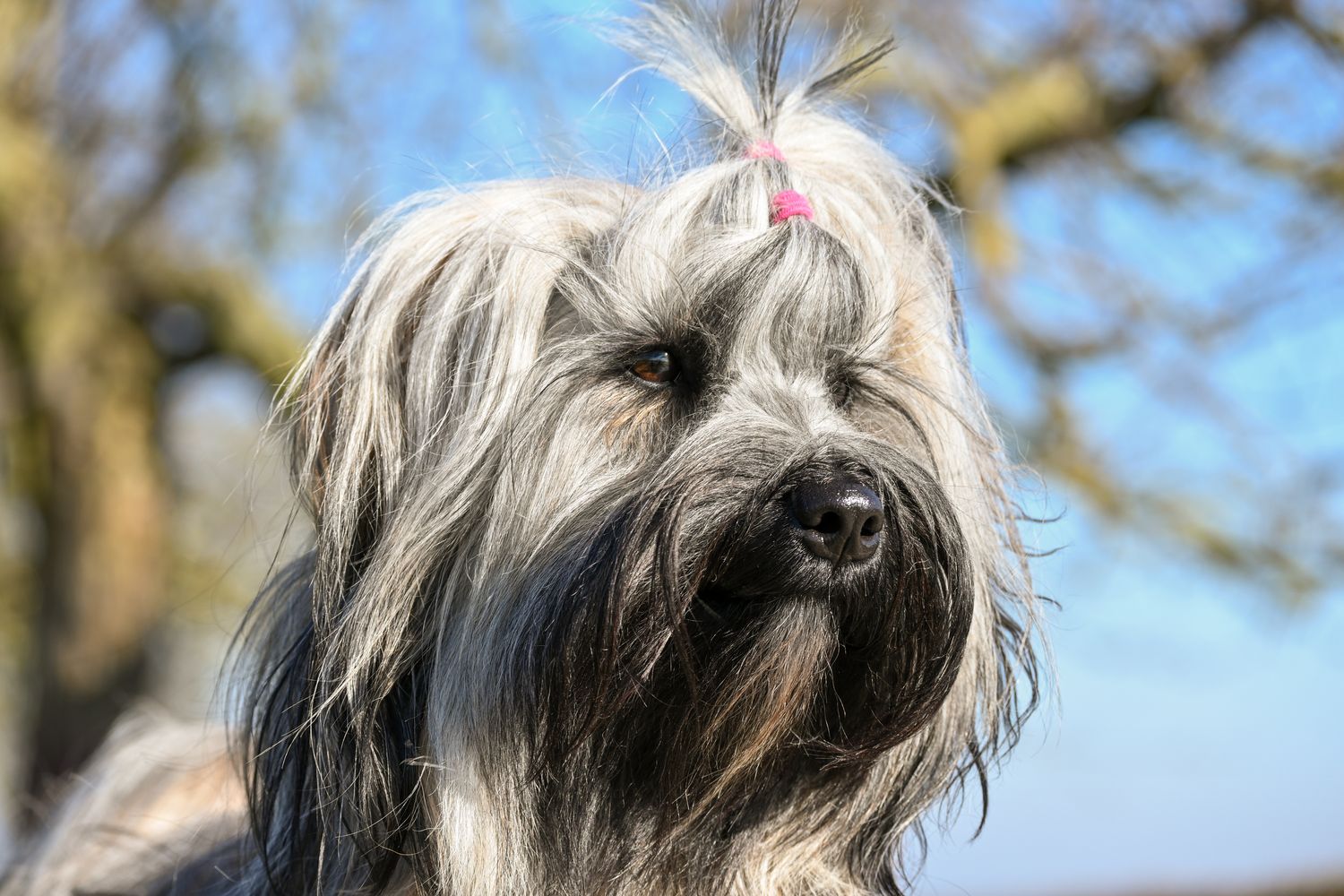
A large French shaggy herder, often described as a "heart wrapped in fur". Affectionate to family, watchful of strangers, and one of the heaviest grooming commitments of any working breed kept in NZ.
Last reviewed:
Sources for this pageInformation only. Breed traits and health notes on this page are aggregated from public registry and breed-authority sources. Individual animals vary; this page is general information, not veterinary, behavioural, or insurance advice. Always consult a registered NZ vet or breeder for guidance specific to your situation.