
Welsh Springer Spaniel Dog Breed Information
Also known as: Welshie, Welsh Springer, WSS
The original red-and-white springing spaniel from Wales. A medium gundog with a softer pace than the English Springer, slightly more reserved with strangers, and the only spaniel breed with a single colour standard.
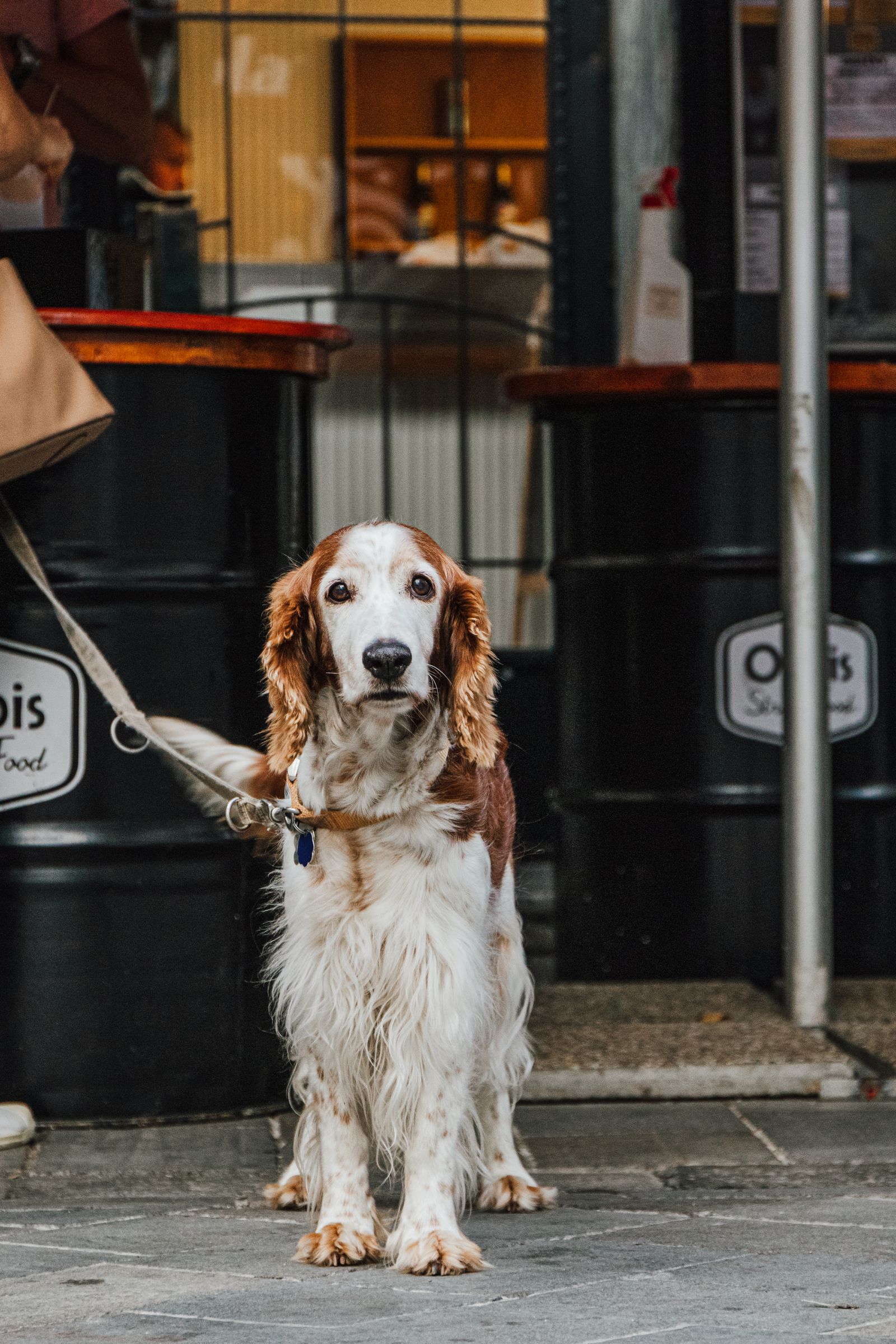
A highly affectionate, highly trainable, great with young children dog. On the practical side: minimal drool.
About the Welsh Springer Spaniel.
The Welsh Springer Spaniel is the smaller, red-and-white original of the springing spaniel family, predating the English Springer by several centuries in Welsh hunting records. In New Zealand it sits well behind the English Springer and the Cocker in registration numbers, with a small but stable NZKC breeding base, and tends to attract owners who want the spaniel temperament with a softer pace and a calmer reception of unfamiliar visitors.
Adults stand 46 to 48 cm at the shoulder and weigh 16 to 20 kg, noticeably lighter than the English Springer. The straight silky coat is feathered on legs, ears, chest and belly and comes in only one combination: rich red and white. Lifespan is 12 to 15 years, slightly longer than most gundog spaniels.
The signal that defines daily life with a Welshie is a more reserved, more home-bonded version of the spaniel temperament. The breed is busy and scent-driven like other spaniels but warms up to strangers slowly, sits closer to the family group at the dog park, and tolerates alone time slightly better than an English Springer or working Cocker.
Personality and behaviour
Welsh Springers are deeply affectionate with their household and bond closely with one or two people. The trait that surprises new owners is the reserve with strangers. Where an English Springer or a Cocker greets every visitor with full-body enthusiasm, a Welshie will hang back, watch, and warm up at its own pace. This is not anxiety in a well-socialised dog, just a slower social setting. Without early socialisation it can tip into shyness or fear-based barking, so the 8-to-16-week window matters more for this breed than for the English Springer.
Around children in the family the breed is patient and gentle. Around unfamiliar children it can be wary; supervise interactions and don’t expect the dog to tolerate handling from kids it does not know.
The scenting drive is real but slightly softer than the English Springer or working Cocker. Off lead in safe country, a Welshie will work the ground but tends to circle back to the handler more readily than an English. Recall still needs lifetime work, but the breed is one of the easier gundog spaniels in this respect.
Loneliness sits a little easier than for other spaniels, but a Welshie alone for a full workday will still chew, bark and become anxious. Daycare or a midday walker is the realistic option for most working households.
Care and exercise
Plan on 60 to 90 minutes of structured exercise per day. The breed wants scent work, retrieve games, off-lead running on safe ground and a weekend hill walk or beach session. The breed is well suited to swim, and the weatherproof coat sheds water cleanly.
Grooming is moderate and easier than for the English Cocker. Brush two or three times a week through the feathering and book a tidy-up clip every 8 to 10 weeks (NZ$70 to NZ$110). The straight silky coat resists matting better than the curly or wavy spaniel coats, so daily grooming time is genuinely lower. Ear care is the lifetime maintenance item: check ears after every walk, dry thoroughly after swims and rain, and act fast at any sign of head shaking, smell or scratching.
Eye health needs attention beyond the average gundog. The breed has an above-average rate of primary glaucoma. Ask breeders for current parent eye certificates from a registered ophthalmologist, and book annual eye checks for adult dogs over the age of six.
Climate fit across New Zealand
The straight weatherproof coat handles the full NZ climate range, with regional watch-points.
- Auckland and Northland. Summer heat and humidity are the issue. The white sections of the coat reflect heat well but the dense feathering still insulates. Walk early or late, avoid midday December through February, and use sea or river swims to cool the dog. Rinse off salt and sand to prevent skin irritation.
- Wellington. Wind and rain are not problems for the coat. The breed suits the city’s outdoor walking culture and the south coast hill walks. Two structured walks a day plus a weekend hill loop work well.
- Christchurch and Canterbury. Cold winters are a non-issue. The breed thrives across the plains and Port Hills. Watch for grass-seed embedment in feathered ears and feet during summer; check after every rural walk.
- Central Otago and Southland. Built for it. The breed handles cold, snow and long winter walks across hills and tussock. Bathe and dry the feathering thoroughly after wet snow walks to prevent skin issues.
Where to find a Welsh Springer Spaniel in New Zealand
Three reasonable paths, with honest waitlist expectations.
- Registered NZKC breeders. The Dogs NZ breeders directory lists the small handful of registered Welsh Springer Spaniel breeders. The breed has a low NZ volume, so expect a 6 to 12 month waitlist (sometimes longer), NZ$2,500 to NZ$4,000 per puppy, and parent health screening including hip scores, eye certificates and an honest answer about temperament. Some NZ litters are bred from imported semen or imported dams to widen the gene pool.
- UK and Australian imports. A small share of NZ Welshies are imported as adult dogs from UK or Australian breeders, particularly to widen breeding lines. This route is rare for pet buyers but appears occasionally through NZKC contacts.
- Rescue and rehoming. Pure Welsh Springers almost never appear at SPCA NZ given the breed’s low population. The Welsh Springer Spaniel Club of New Zealand (where active) coordinates very occasional rehomes through breeder networks. If you see a “Welshie” at a general rescue, ask for breed verification; the colour pattern is sometimes confused with English Springer or Brittany.
Avoid Trade Me listings claiming “Welsh Springer” without NZKC paperwork. The breed’s red-and-white pattern is distinctive but easy to misuse on Spaniel-cross puppies.
Insurance and lifetime cost
Welsh Springer insurance claims in NZ skew toward ear conditions, eye conditions (particularly glaucoma in older dogs) and hip and joint issues. Three things shape the premium: lifetime cover vs accident-only (lifetime is meaningful for a breed with chronic ear and eye conditions), per-condition sub-limits, and whether the insurer covers hereditary conditions if not declared at policy start.
For a typical NZ Welsh Springer on a mid-range lifetime policy, lifetime cost (purchase, setup, plus 13 to 15 years of food, vet, insurance, grooming and other) lands around NZ$26,000 to NZ$38,000. Grooming sits at the lower end of medium-breed averages because the coat is genuinely easier than an English Cocker or Springer.
The Welsh Springer Spaniel, by the numbers.
Each trait scored 1 to 5 on the AKC scale. The verdict synthesises the data; the panels below show the strengths, group averages, and the full trait table.
Top strengths
Family Life
avg 4.3Affectionate with Family
Good with Young Children
Good with Other Dogs
Physical
avg 2.3Shedding
Grooming Frequency
Drooling
Social
avg 3.5Openness to Strangers
Playfulness
Watchdog / Protective
Adaptability
Personality
avg 3.8Trainability
Energy Level
Barking Level
Mental Stimulation Needs
Living with a Welsh Springer Spaniel.
A 24-hour breakdown of how this breed's day typically goes, scaled to its energy, mental-stimulation, and grooming needs.
What a Welsh Springer Spaniel costs to own.
An indicative NZ lifetime cost: purchase, setup, then food, vet, insurance, grooming and other annual outgoings. Adjust the inputs to see how your choices change the total.
A Welsh Springer Spaniel costs about
$270per month
$62
$9
$49,116
Adjust the inputs:
Where the monthly cost goes
Food
$87 / mo
$1,040/yr · breed-appropriate dry & wet food
Insurance
$69 / mo
$824/yr · lifetime cover protects against breed-specific claims
Vet (avg)
$54 / mo
$650/yr · routine checks plus breed-specific risk
Grooming
$23 / mo
$280/yr · brushes, shampoo, professional clips
Other
$38 / mo
$450/yr · toys, treats, dental, boarding
Indicative NZ averages calculated from breed weight, grooming need and screened-condition count. One-off costs (purchase $3,250 + setup $450) are factored into the lifetime total but not the monthly figure.
How does the Welsh Springer Spaniel compare?
This breed
Welsh Springer Spaniel
$49,116
14-year lifetime cost
- Purchase + setup$3,700
- Food (lifetime)$14,560
- Vet (lifetime)$9,100
- Insurance (lifetime)$11,536
- Grooming (lifetime)$3,920
- Other (lifetime)$6,300
Reference
Average NZ medium dog
$38,920
12-year lifetime cost
- Purchase + setup$2,200
- Food (lifetime)$13,200
- Vet (lifetime)$6,000
- Insurance (lifetime)$11,400
- Grooming (lifetime)$2,400
- Other (lifetime)$3,720
A Welsh Springer Spaniel costs about $10,196 more over a lifetime than the average nz medium dog, mostly highervet and higherother.
What to ask the breeder.
Reputable NZKC breeders test for these conditions and share results without being prompted. If a breeder won't share screening results, that is itself an answer.
Common
1 conditionEar infections
Dropped feathered ears trap moisture, particularly after swimming and rural walks.
Occasional
3 conditionsHip dysplasia
Ask breeders for hip scores from both parents.
Glaucoma
The breed has an above-average rate of primary glaucoma; ask for parent eye certificates.
Hypothyroidism
An occasional condition in the Welsh Springer Spaniel. Worth asking about and DNA testing where available.
Rare but urgent
1 conditionEpilepsy
Recognised in the breed at low rates.
The Welsh Springer Spaniel in NZ.
- Popularity: A low-volume but stable breed in NZ. Most Welsh Springers in NZ trace to a small handful of NZKC breeders, with occasional UK and Australian imports. Visible at NZ Gundog Trial Association events and NZKC conformation shows in small numbers.
- Typical price: NZ$2500–4000 from registered breeders
- Rescue availability: rare
- NZ climate fit: Suits all NZ climates. The straight weatherproof coat handles wet, cold and snow with no trouble. Manage upper North Island summer heat with shade, water and earlier walks.
- Living space: A fenced yard is essential. Best on lifestyle blocks, rural sections, or suburban homes with daily exercise. Apartments only with a committed two-walks-a-day plan.
Who the Welsh Springer Spaniel is for.
Suits
- Active families wanting a calmer alternative to the English Springer
- Owners who can commit to early socialisation
- Hiking, tramping and weekend gundog homes
Less suited to
- Households away long workdays without daycare
- Owners expecting an instantly outgoing dog with strangers
- Apartments without a serious daily exercise plan
Common questions.
What is the difference between a Welsh Springer and an English Springer?
Are Welsh Springers good with children?
How much does a Welsh Springer cost in NZ?
If the Welsh Springer Spaniel appeals, also consider.
Breeds with a similar profile that might suit your household.

English Springer Spaniel
Athletic, busy gundog spaniel with a strong working drive. The most-used flushing spaniel in NZ rural and gamebird country, with a wide working-line vs show-line split that shapes daily life.

Cocker Spaniel
Mid-sized gundog spaniel with a strong working drive and an active, busy temperament. Known for the silky feathered coat, the merry tail and a deep need for daily structured exercise.
Brittany
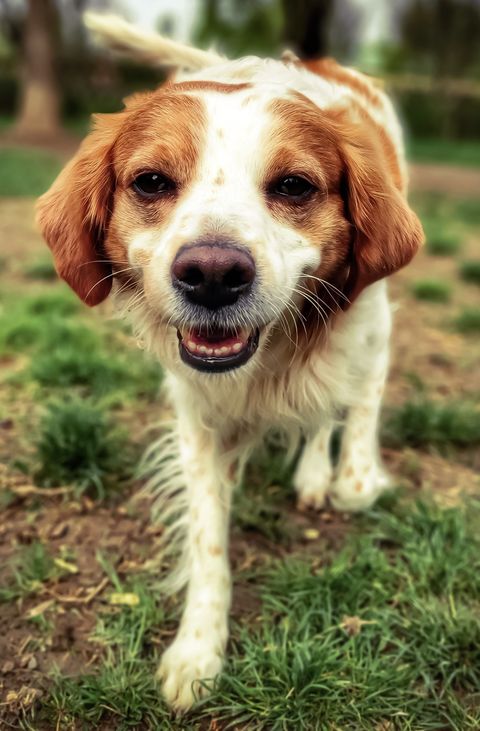
A medium-sized French versatile gundog. Pointer in the head, spaniel in the build, biddable in the home, and one of the most popular gamebird hunting dogs across rural NZ.
Last reviewed:
Sources for this pageInformation only. Breed traits and health notes on this page are aggregated from public registry and breed-authority sources. Individual animals vary; this page is general information, not veterinary, behavioural, or insurance advice. Always consult a registered NZ vet or breeder for guidance specific to your situation.